


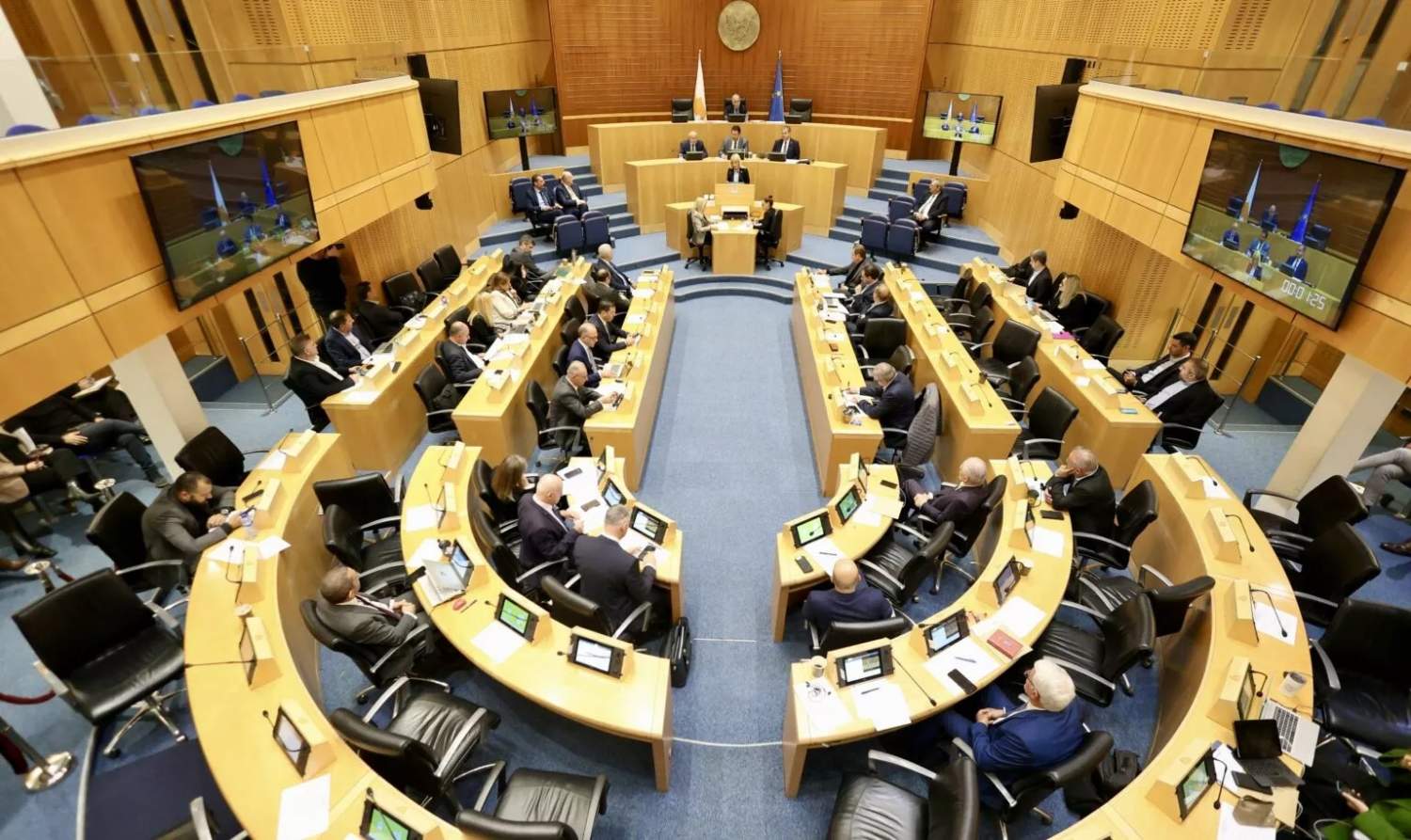
In 2012, Giorgos Perdikis tabled a motion in the House of Representatives Institutions Committee to sort out MPs’ immunity.
In 2016, Ionas Nicolaou introduced a bill to limit immunity strictly to the right to vote and express opinions whilst carrying out parliamentary duties.
In 2021, the bill came back with amendments. In 2026, we’re still stuck with what the 1960 Constitution laid down. And the day before yesterday, we heard the chair of the Legal Affairs Committee—where this issue has landed yet again—announce that the House services will conduct a study on what other countries do, and they’ll come back to it.
This is what happens every single time a case involving an MP surfaces. Like now, with Nikos Sykas. His case—which is being investigated—has absolutely nothing to do with his parliamentary duties. It’s a matter for the criminal code.
Yet the Attorney General’s office has to traipse off to the Supreme Court to request the lifting of his immunity before the police can so much as question him. Otherwise, they can’t even ask him what he’s got to say about the allegations against him.
It’s straightforward. So why are they flogging this dead horse for so long? After all these years, we’re told there’ll be a study on what other countries do. Why wasn’t this study done years ago?
It’ll happen now so the House can run down the clock on this term, pass it to the next one—which will be brand new and will shelve it for “later” because it’ll have so many other pressing matters.
It’s straightforward because the Constitution stipulates that “members of the House of Representatives shall not be subject to criminal prosecution or be liable civilly in respect of any opinion expressed or vote cast by them in the House of Representatives.”
That’s the spirit of immunity. So they won’t be prosecuted when they express opinions or vote inside the House—not when they sending their cars full throttle and pick fights with traffic wardens, take kickbacks from contractors, or abuse their partners.
The provisions that follow that paragraph in the Constitution make prosecution even for traffic offences complicated. And those are what need changing.
Because it says that “a member of the House shall not, without the permission of the Supreme Court, be prosecuted, arrested or imprisoned so long as he continues to be a member.”
Meaning: off you go, Attorney General, to get permission from the Supreme Court every time a copper books an MP for speeding or illegal parking. Only if the MP’s offence carries a sentence of more than five years does he not need Supreme Court clearance—and even then, only if caught red-handed.
The fact is, the spirit of parliamentary immunity concerns freedom of expression and voting within parliament. MPs should have respected that—not let this ambiguity fester so they can invoke immunity to the point of impunity for anything and everything.
Party leaders and the House President should have made the necessary institutional changes and clarifications to confine immunity to the spirit for which it exists. If constitutional amendment is required, do it—as has been done for so many other things.
As the president of the Cyprus Bar Association, Michalis Vorkas, said in the House the other day, two things must be safeguarded: the institution of the MP, which cannot be allowed to be dragged through the mud, and second, that no one escapes any responsibility simply because they’re an MP.
Quite right. But the institution of the MP is being dragged through the mud precisely because MPs won’t sort out immunity and leave the privilege as it stands so they can exploit it whenever and however it suits them.

