


Cyprus does not have a histopathologist to examine organs removed during autopsies, meaning samples must be sent to the UK for testing that takes months, a forensic pathologist has said.
Marios Matsakis spoke to Alpha TV’s morning show about the case of a 73-year-old British woman who complained that her husband’s heart was not found during a second autopsy in the UK after his sudden death in Cyprus.
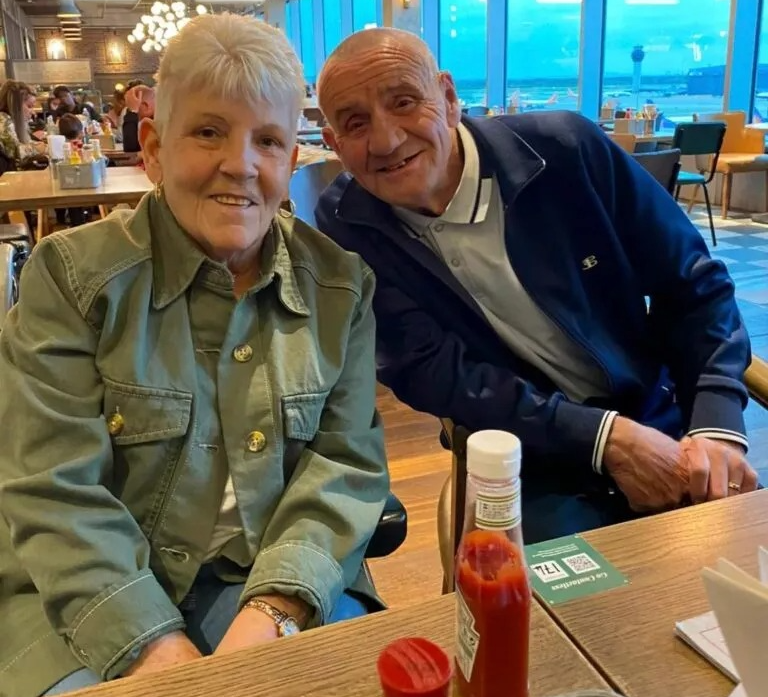
The British woman complained that the body of her 76-year-old husband, who died suddenly in the Famagusta district, was returned without his heart, as it was removed during the autopsy.
Matsakis said that in some cases, samples are taken from vital organs for specialised tests. The specialised test in this case is a histopathological examination.
Small pieces, biopsies, are taken from organs, not entire organs. In very exceptional cases an entire heart may be taken for examination by a histopathologist, he said.
However, the complication is that Cyprus does not have a histopathologist, according to Matsakis.
“Because we don’t have a histopathologist in Cyprus, these tests must be done in England by the histopathologist who has a contract with the Republic of Cyprus. This takes months. Under normal circumstances, if we had a histopathologist, the tests could be done quickly, in two to three days, and the organ could be returned to the body for burial or transfer abroad,” he said.
Asked why Cyprus does not have a histopathologist, he said samples were initially sent to Nicosia General Hospital and tests were conducted by histopathologists there, who complained about the workload alongside other tests they had to perform.
A contract was later made with a histopathologist, but the cooperation failed. Another contract was then made with a histopathologist who works in London and conducts the tests from there.
The forensic pathologist stressed that the 76-year-old’s wife and relatives should have been informed, as happens in such cases, noting there was probably confusion.
“The heart can be returned to the family if they want it,” Matsakis said, though this would happen later.
The forensic pathologist noted that the histopathologist is used very frequently. There should not be a need for histopathological examinations of organs so often. They should be able to determine the cause of death without this specialised examination.
Perhaps further training of forensic pathologists is needed so they can determine cause of death without having to send samples for histological examinations, he said.

