


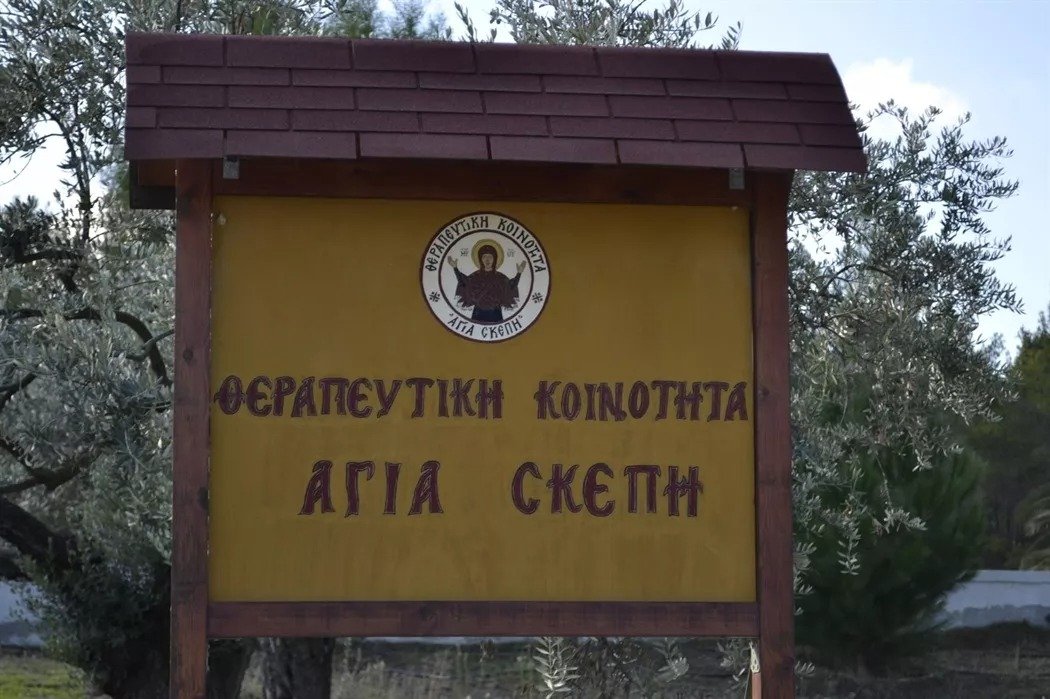
Some state school teachers treat children in drug rehabilitation programmes with prejudice, according to officials at adolescent therapy centres who raised concerns with the ombudsperson.
The ombudsperson highlighted the issue in a report following unannounced visits to the Agia Skepi therapeutic community in Filani and the adolescent centre in Latsia.
Officials from the National Preventive Mechanism at the ombudsperson’s office carried out the inspections on 7 August and 22 August 2025.
The visits examined living conditions at the Agia Skepi drug rehabilitation centres, considering the particular circumstances of residents and their need for appropriate support and treatment in an environment that promotes recovery, improves their physical and mental health, and aids their future reintegration into society.
According to clinical director of the adult programme Tina Pavlou, 72% of people who complete all therapy phases succeed in recovery. Of those who drop out, around 50% manage to avoid relapse and do not become users again. The average duration of substance use among people entering the closed facility is about 10 to 15 years.
The report states that 16 people were staying at the Filani adult centre at the time of the visit, whilst a waiting list exists of people wishing to join Agia Skepi programmes.
The majority of residents are usually people who either lost one or both parents before reaching adulthood, had parents who were or are substance users, or were victims of sexual or other exploitation to secure their drug supply.
The Agia Skepi therapeutic community intends to create facilities for vulnerable groups, including pregnant women, mother-and-child units, and people who identify as transgender.
The adolescent centre in Latsia-Geri, operational since 2019, accommodates people aged 13 to 19. At the time of the visit, nine boys were staying there, two of whom had completed the programme and were in the process of reintegration, along with two girls aged 15 and 16.
The rehabilitation programme lasts six to nine months, and participation is voluntary.
Staff at the facility reported that some state school teachers show prejudice towards children from the adolescent therapeutic community, raising concerns with the ombudsperson.
The treatment of children by teachers in classrooms could be more encouraging, as prejudice from teachers towards children from the therapeutic community has been observed in some cases, according to the report.
The ombudsperson recommended that the Education Ministry take all necessary steps to prevent any prejudice against children in treatment programmes and ensure all teachers receive proper training to treat all children equally, especially those who are particularly vulnerable.
Regarding financial support for the adult therapeutic community, the ombudsperson asked the Health Ministry to provide stable funding and called for strengthening of Agia Skepi to enable expansion of the Filani facility.

