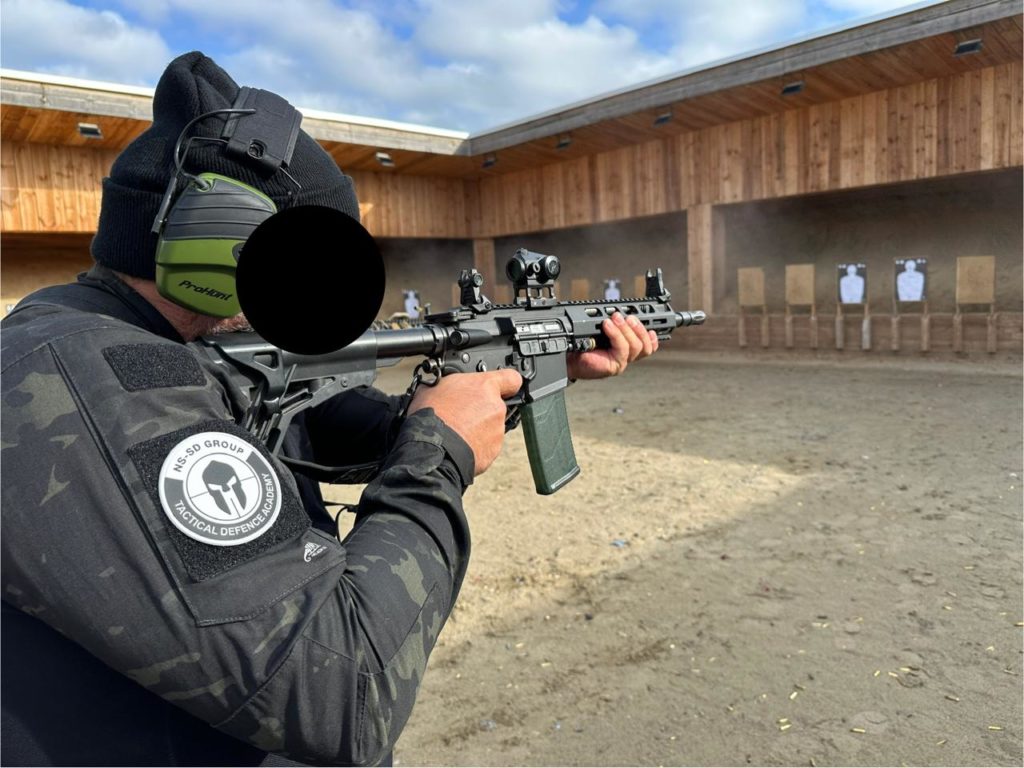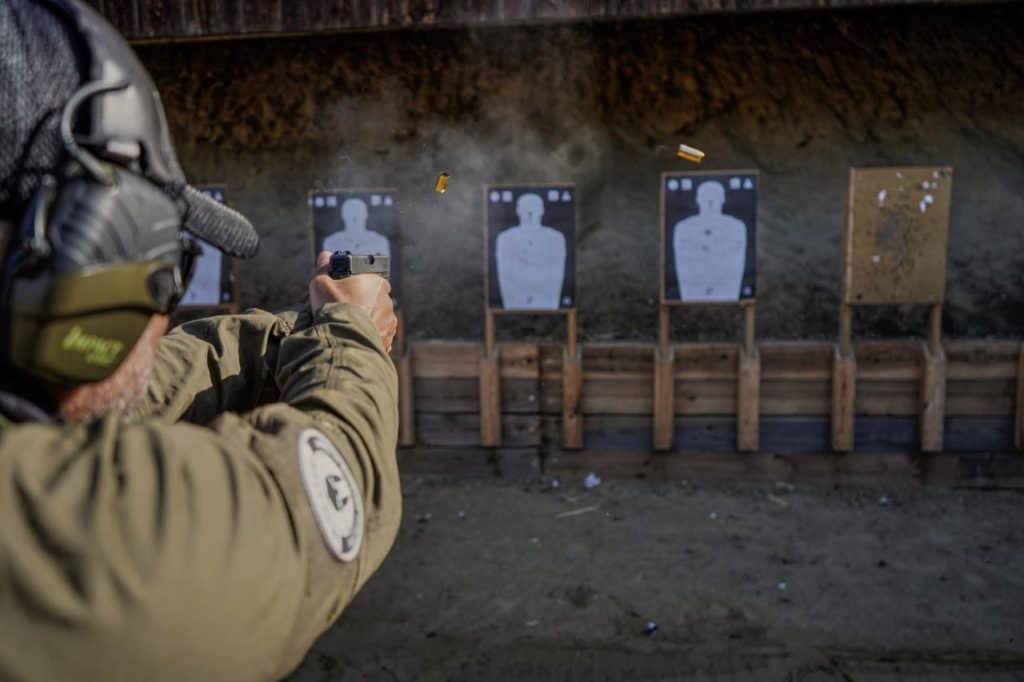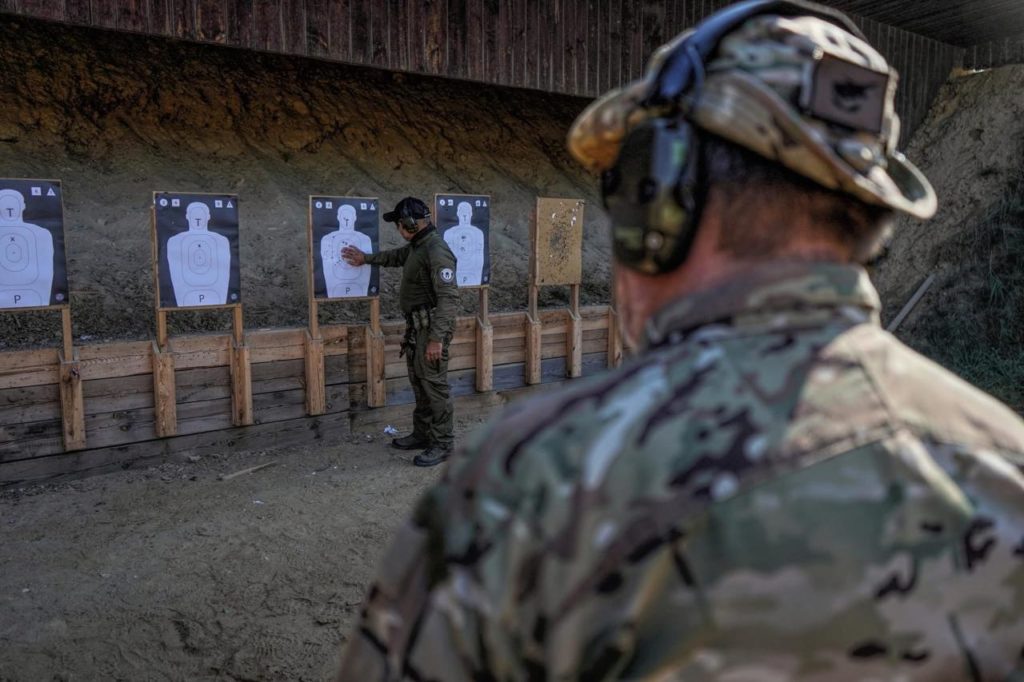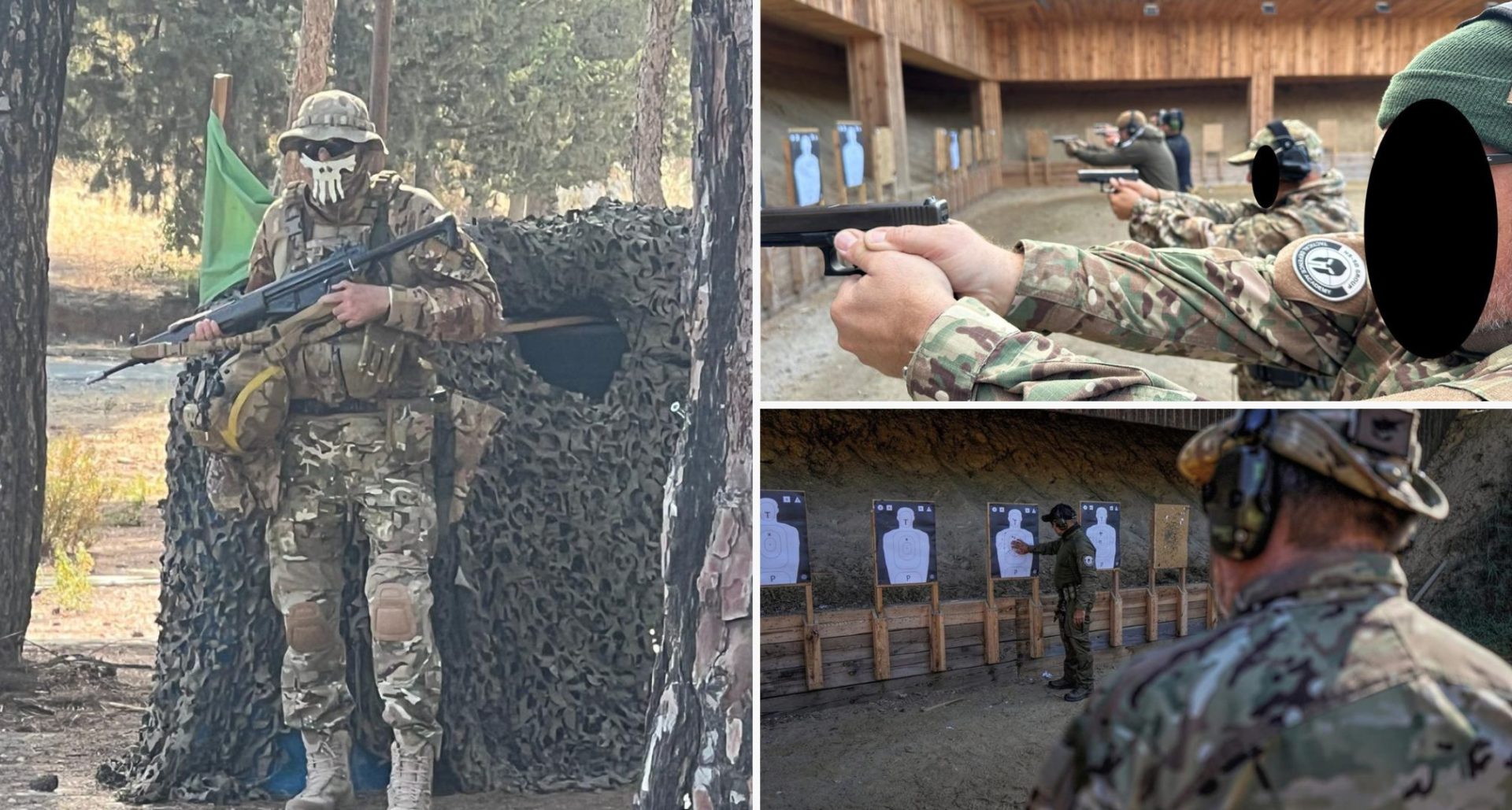
Hundreds of Cypriot citizens are seeking private military and tactical training abroad due to a legal ban in Cyprus that prohibits such instruction, according to accounts secured by Phileleftheros from a Cypriot professional military instructor operating overseas.
The demand for this expensive, specialised training has surged, driven by citizens concerned about their ability to handle basic military skills, such as correctly holding a weapon or effectively applying a tourniquet to stop bleeding.
The anonymous instructor confirmed that private military training is now a high-growth sector for Cypriots, creating a “secret army” banned from operating domestically due to Cypriot law.
Penalties and international precedent
Current Cypriot legislation, specifically Article 55 of Chapter 154 of the Criminal Code, illegalises private military or tactical training, classifying it as a felony. Penalties for offenders are severe, carrying a sentence of up to seven years in prison.
Any training involving the use of weapons or tactical military drills on Cypriot soil requires permission secured directly from the Council of Ministers. An example of this exception is the Israeli Army (IDF), which has secured the necessary annual authorisation for exercises in the Paphos area.
Training facilities used by Cypriots include well-known private military companies (PMCs) across Europe, such as ESA (Poland), Alfa-Metal (Bulgaria), Anti Terror Academy, and Hard Task Training (Czech Republic).
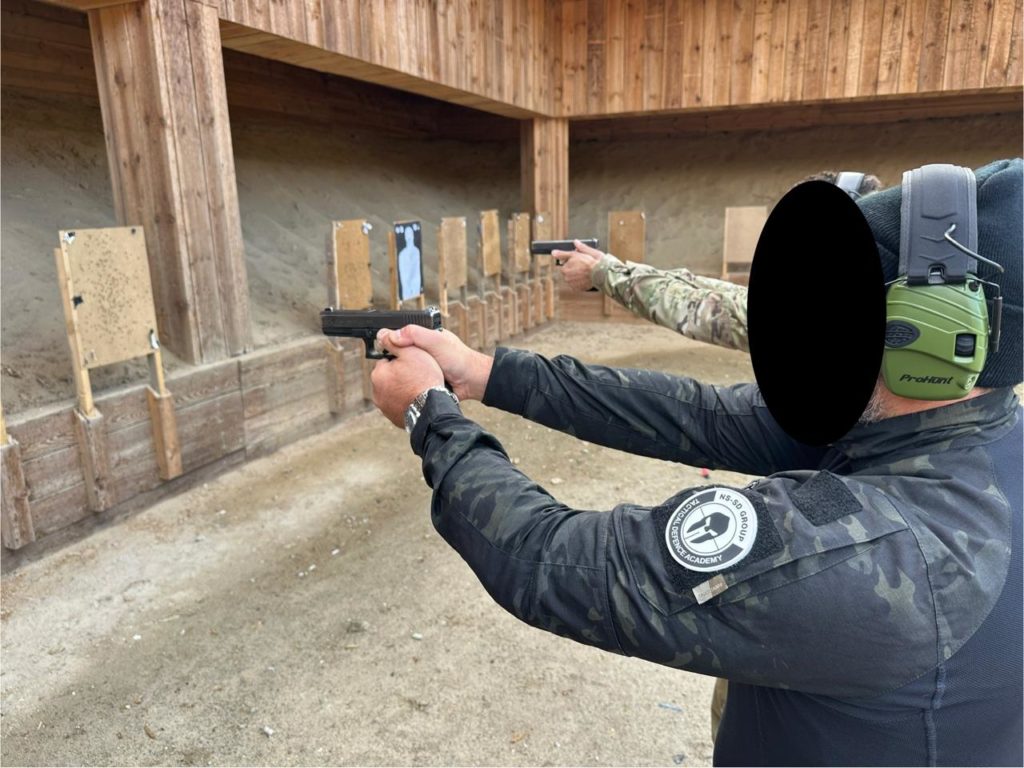
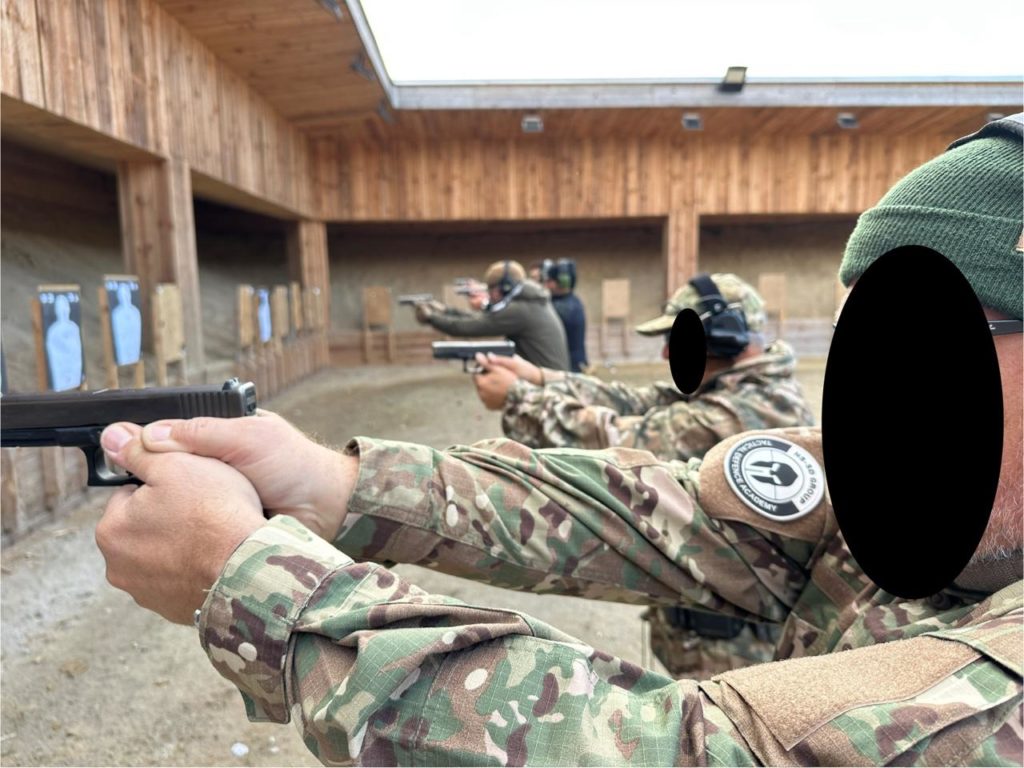
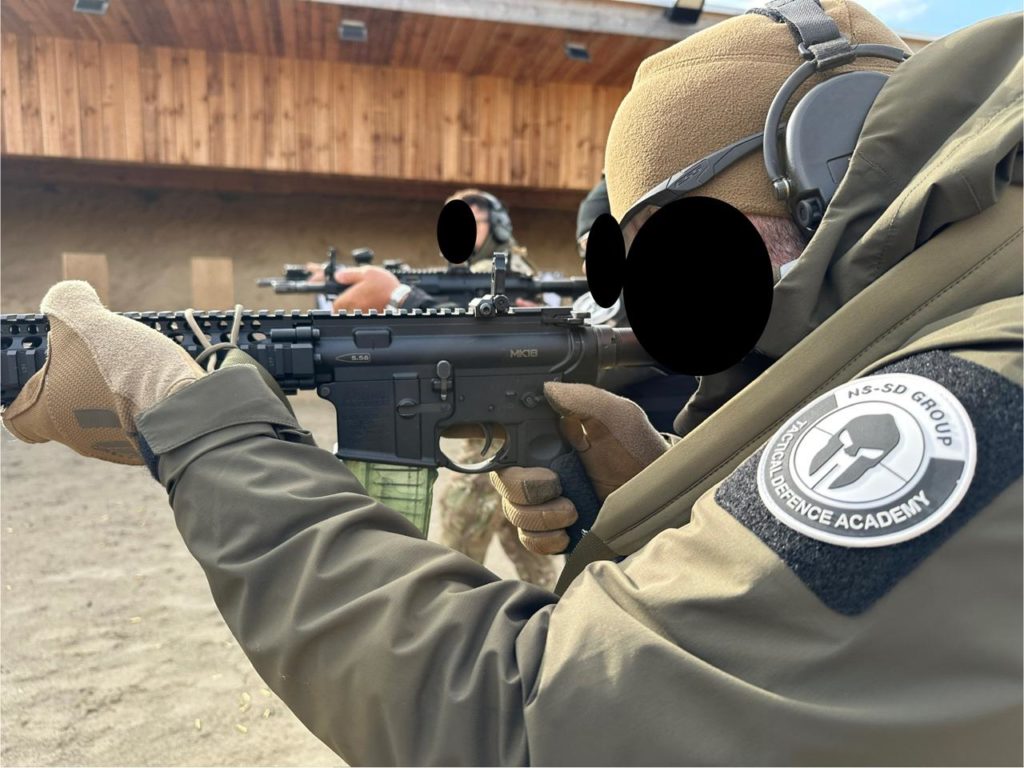
Calls for legal reform and military collaboration
Private instructors and companies are now seeking an amendment to the legislation to allow them to offer services to citizens in Cyprus under strict legal frameworks. These experts claim they can provide daily instruction not only to civilians but also to National Guard soldiers and officers.
“We can offer training in portable weaponry, small-scale tactics, anti-drone jammer technology, and combat first aid, among other areas,” the instructor noted.
The report also raises the issue of the National Guard (NG) collaborating with the private sector. Several European Union member states already use Private Military or Security Companies (PMSCs) for support services, including the training of personnel and “train-the-trainer” programmes, according to a report from the Council of the European Union.
Given that the reserve force is positioned as the “backbone” of the National Guard’s operational plans, state officials are under pressure to offer higher quality training, particularly to those who desire it. Currently, the reserve system is widely seen as more of an “obligation” than a time for effective instruction.
Volunteer reserve units
Highlighting the private sector’s dedication, many private trainers are already participating voluntarily in the Rapid Reaction Forces (RRFs) platoons across various cities in the free areas of Cyprus.
Established by a 2021 Cabinet decision, these volunteer reserve groups are part of the NG’s operational plans to provide an immediate response in populated areas during a crisis, prior to the full mobilisation of the National Guard. These volunteers utilise their high level of professional military expertise to guide and train other members.
Despite their significant contribution and commitment, RRF volunteers and the professional instructors operating within them carry all costs personally, receiving limited institutional support. Enhanced state support, resources, and clear legal recognition could significantly upgrade the National Guard’s deterrent capabilities.