


While Cyprus previously granted exceptional citizenship to foreigners, including some internationally wanted individuals, through investment schemes, the government is now set to honour those who deserve recognition.
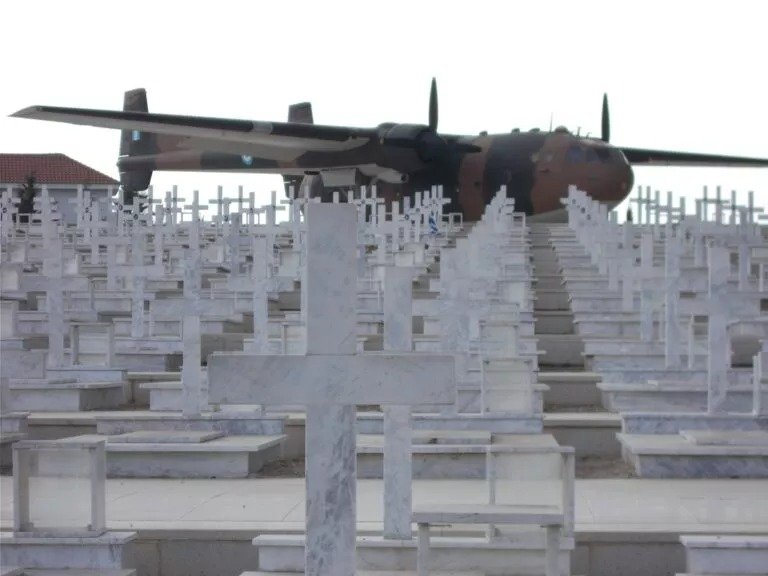
New regulations submitted to parliament will allow honorary citizenship to be granted to the children of Greek soldiers who lost their lives defending the Republic of Cyprus during the 1974 Turkish invasion.
The regulations, which parliament is expected to approve, will also allow citizenship to be granted to artists and cultural figures who have rendered exceptional services to Cyprus.
According to the document submitted to parliament, the Council of Ministers approved the “Honorary Naturalisation for Reasons of Public Interest and Naturalisation of Foreign Businesspersons or Investors (Amendment) Regulations of 2025” at its meeting on 20 May 2025, authorising the Interior Minister to present them to the House of Representatives.
“The purpose of the proposed amendment is to provide the Council of Ministers with the ability to grant Cypriot citizenship through honorary naturalisation to individuals who are children of fallen Greek nationals who lost their lives fighting for the protection of the Republic of Cyprus during the 1974 Turkish invasion,” the document states.
Due to the significant time that has passed, these children are now adults, with even one-year-olds from 1974 now being over 50 years old.
Given that most conscripted soldiers at that time had not yet established families, this honorary citizenship will primarily benefit children of officers and non-commissioned officers who were married with children in 1974.
According to some reports, 18 Greek officers and 70 enlisted men were killed during the Turkish invasion. Additionally, 83 Greek officers and soldiers remain missing in action.
To enable this provision, amendments to Articles 2 and 3 of the Honorary Naturalisation for Reasons of Public Interest and Naturalisation of Foreign Businesspersons or Investors Regulations of 2020 have been proposed, adding this category to those eligible for honorary naturalisation under the provisions of section 111A(1) of the Law.
The same amendment also transfers the authority to recommend honorary naturalisation for artists and cultural figures who have rendered exceptional services to Cyprus from the Ministry of Education, Sports and Youth to the Deputy Ministry of Culture, as the more appropriate authority on the matter.
It’s noted that many Greek artists participated in concerts and other events without compensation after the Turkish invasion and in subsequent years, while also serving as unofficial ambassadors for Cyprus in countries where they worked professionally.
According to the “Law on the Establishment of the Deputy Ministry of Culture,” the Deputy Ministry’s responsibilities include promoting the Republic’s cultural identity and properly utilising works of cultural heritage and contemporary creation.
Therefore, it appears that regarding the provisions of section 3(c) of the Regulations, the Deputy Ministry of Culture, not the Ministry of Education, Sports and Youth, has the authority to submit recommendations.
The amendment has undergone legal review by the Law Office and was approved by the Council of Ministers at its meeting on 20 May 2025.

