


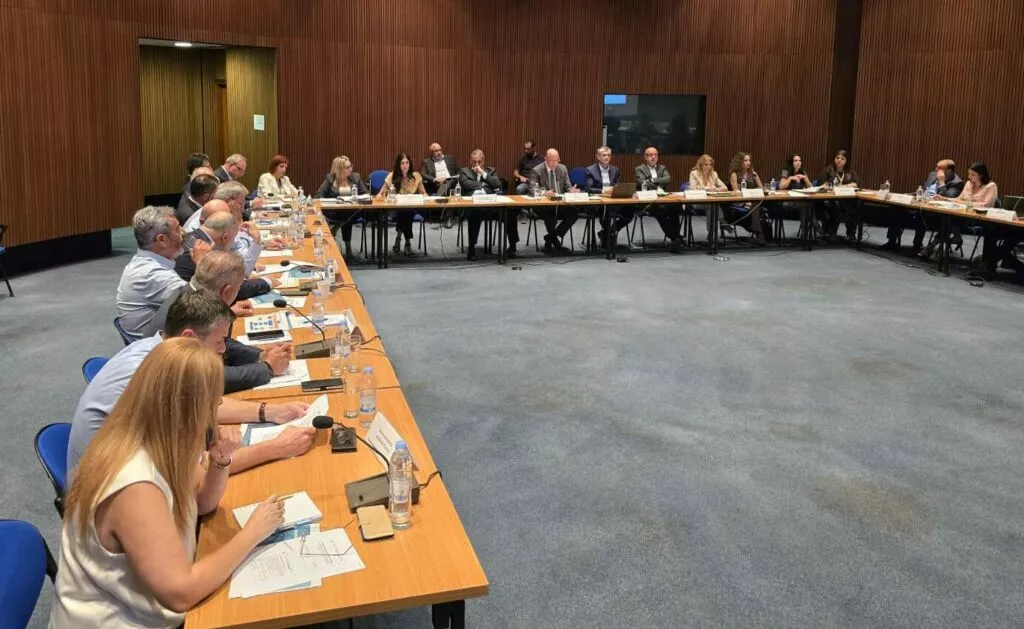
The Council of Ministers has approved a set of six major tax reform bills, paving the way for their submission to the House of Representatives on Thursday, but the package faces criticism over the tight timeline for parliamentary scrutiny.
The government is pushing for the tax reform to be implemented by 1 January 2026, a deadline that parliamentary parties claim forces them to approve the legislation under pressure. Lawmakers suggest they may only approve the provisions related to tax rates and allowances by the end of the year, potentially deferring tougher tax evasion measures until 2026.
The initial texts were revised following public consultation and meetings between Finance Minister Makis Keravnos, Tax Commissioner Sotiris Markides, and various stakeholders, with improved safeguards against tax evasion included.
Key reforms
The government’s primary goal is to provide relief to middle-class families and boost female employment, home ownership, and environmental upgrades through tax breaks.
Key provisions that are favoured for swift approval include:
- Tax-Free Income: Increasing the general tax-free income threshold to €20,500 (from the current €19,500).
- Family Benefits: Granting tax deductions of €1,000 per child, student, and for housing loans or home renovation costs, which could raise the effective tax-free threshold for eligible recipients to €24,500.
- Corporate Tax: Increasing the corporate tax rate to 15% (from 12.5%).
- Other Duties: Abolishing the deemed dividend distribution and reducing the Special Defence Contribution from 17% to 5%.
The Ministry of Finance estimates the tax relief offered to individuals will incur a fiscal cost of €150 million. This shortfall is intended to be covered by revenue generated through the new anti-tax evasion measures and a predicted boost in consumer spending.
Minister Keravnos noted that, based on a study by the University of Cyprus’s Economic Research Centre, a four-child family with a gross annual income of €56,184, which currently pays €2,150 in tax, would see their liability reduced by €1,654 under the new framework.
Political tensions
The main opposition parties, DISY, DIKO, and EDEK, currently appear to favour the two-stage approval scenario.
A key concern for the government is the possibility that the parliamentary election period in May could lead parties to alter the reform’s core philosophy or introduce amendments that would negatively impact public finances. President Nikos Christodoulides had previously conveyed this concern to party leaders, urging a swift conclusion to the reform.
Read more:

