


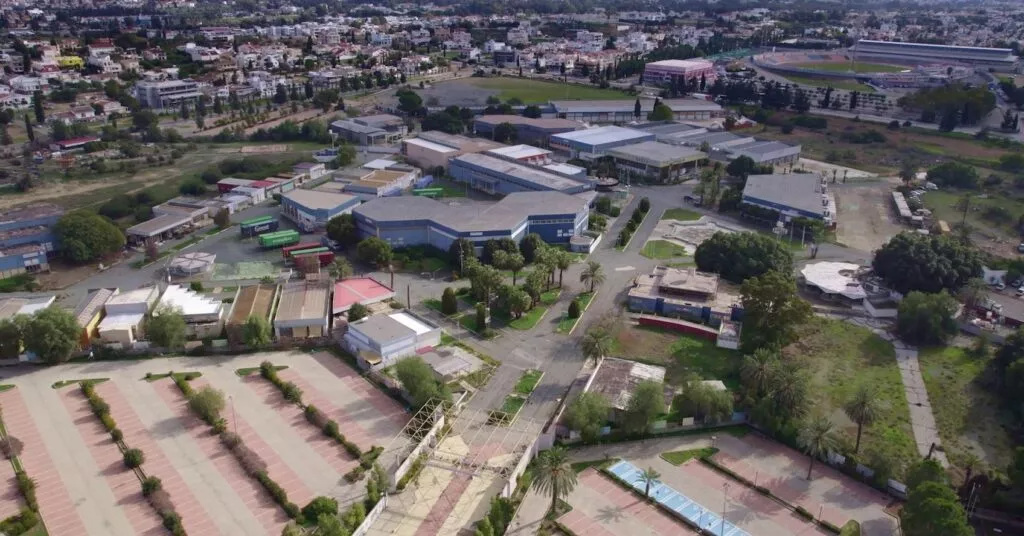
Plans to create a state Museum of Modern and Contemporary Art at the existing State Fair are gaining momentum, with strong backing from senior government figures and Nicosia Municipality.
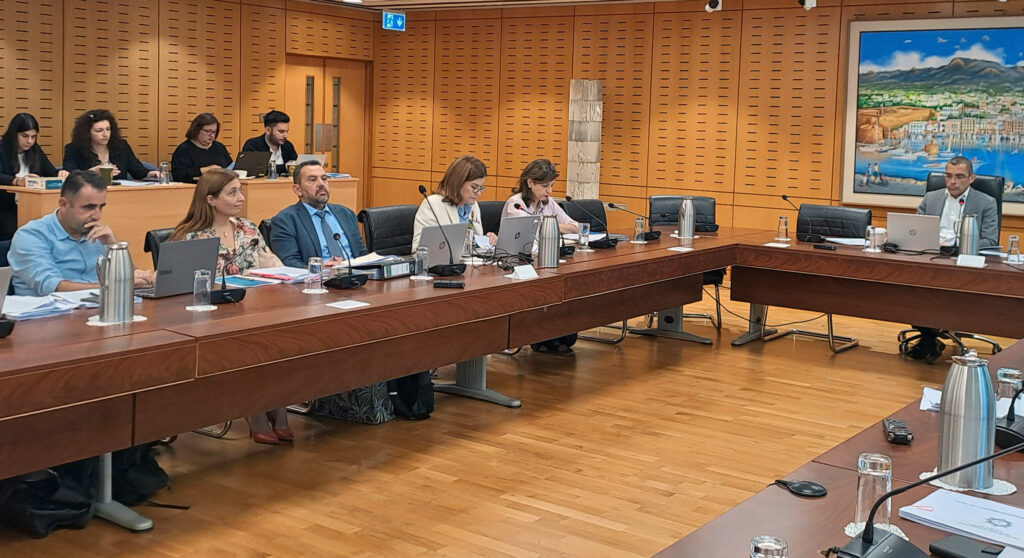
The Deputy Ministry of Culture is actively pushing the project, something Deputy Minister Lina Kassianidou made clear when presenting her portfolio’s budget to parliament’s finance committee on Monday, 20 October. She revealed she is already in advanced talks with other government departments, including the finance and commerce ministries, as well as Nicosia Municipality, to secure space in one of the State Fair pavilions, specifically the “Greek” pavilion.
The capital’s municipal authority is strongly behind the idea.
Crucially, the plan does not conflict with developing a Metropolitan Park at the State Fair — a vital green lung in a sensitive area — but rather complements it. A contemporary art museum within a vibrant, open public space could serve as a hub combining culture and greenery, linking nature with creativity.
A park with a museum, or a museum that breathes within a public space, represents today’s ideal model for urban regeneration — a place for meeting, walking and cultural experiences accessible to all. At the same time, it would fill a decades-old gap and help put the country on the modern European cultural map.
In the wider discussion on sustainability, using existing infrastructure is now considered best practice. This international trend prioritises reusing and adapting spaces over constructing new buildings. Beyond its lower economic and environmental impact, this approach also ensures faster implementation, making the project more realistic and effective.
According to the Deputy Ministry of Culture, the new museum’s architecture will follow international museological standards, emphasising flexibility and sustainability. The State Fair location, within the proposed green area, would allow for rapid implementation at lower cost whilst offering the chance to revitalise the area.
The design will combine aesthetic clarity with technical excellence and incorporate principles of bioclimatic design and green technology. Plans include working with the Centre of Excellence CYENS to develop digital exhibitions, virtual tours and interactive experiences, making the museum a pioneer in using new technologies in culture.
“Establishing the Museum of Modern and Contemporary Art of Cyprus is a real investment in our culture’s future,” Deputy Minister of Culture Lina Kassianidou told Phileleftheros. “With steady steps and strategic planning, we’re moving forward decisively to realise a vision that will showcase Cyprus’s creativity and strengthen its position on the international cultural map.”
More than just a building
The Deputy Ministry sees this as far more than a new building or exhibition space — it’s a strategic investment in knowledge, education and creativity, a project with lasting impact. Although Cyprus has rich artistic output, it still lacks an official institution to collect, interpret and promote it internationally.
This absence is not just cultural but institutional, developmental and deeply symbolic, as the country cannot properly map its own modern artistic history or participate equally in the global art dialogue. The artistic community has long called for such infrastructure.
According to the ministry, the proposal is “mature, institutionally sound and nationally necessary”. It was not thrown together hastily but builds on previous work by the Cultural Services and specialised studies by TEPAK’s Visual Sociology & Museum Studies Lab and the European University of Cyprus. It aligns with the Department of Contemporary Culture’s Strategy 2025-2030.
The plan comes from systematic work by the Advisory Committee for the Establishment and Operation of the Museum of Modern and Contemporary Art of Cyprus, set up by cabinet decision in January 2025.
The Advisory Committee proposes running the museum as a Legal Entity of Public Law, ensuring institutional independence, flexibility and transparency. International experience shows this structure allows for modern management, attracting funding from sponsors and European programmes, and accountability through performance contracts and measurable indicators.
The Deputy Ministry stresses that the museum’s autonomy does not mean cutting ties with the state, but rather modern, responsible governance with a social focus.
What will happen with SPEL and Majestic
The Deputy Ministry has outlined an “ambitious but deeply realistic” vision: to create a living cultural organism, open to society, education and international cooperation. It will be a meeting place for artists, students, children, scientists and the public, encouraging freedom of expression, diversity and innovation.
Importantly, operations will not be limited to Nicosia but ideally extend to other cities through a decentralised presence.
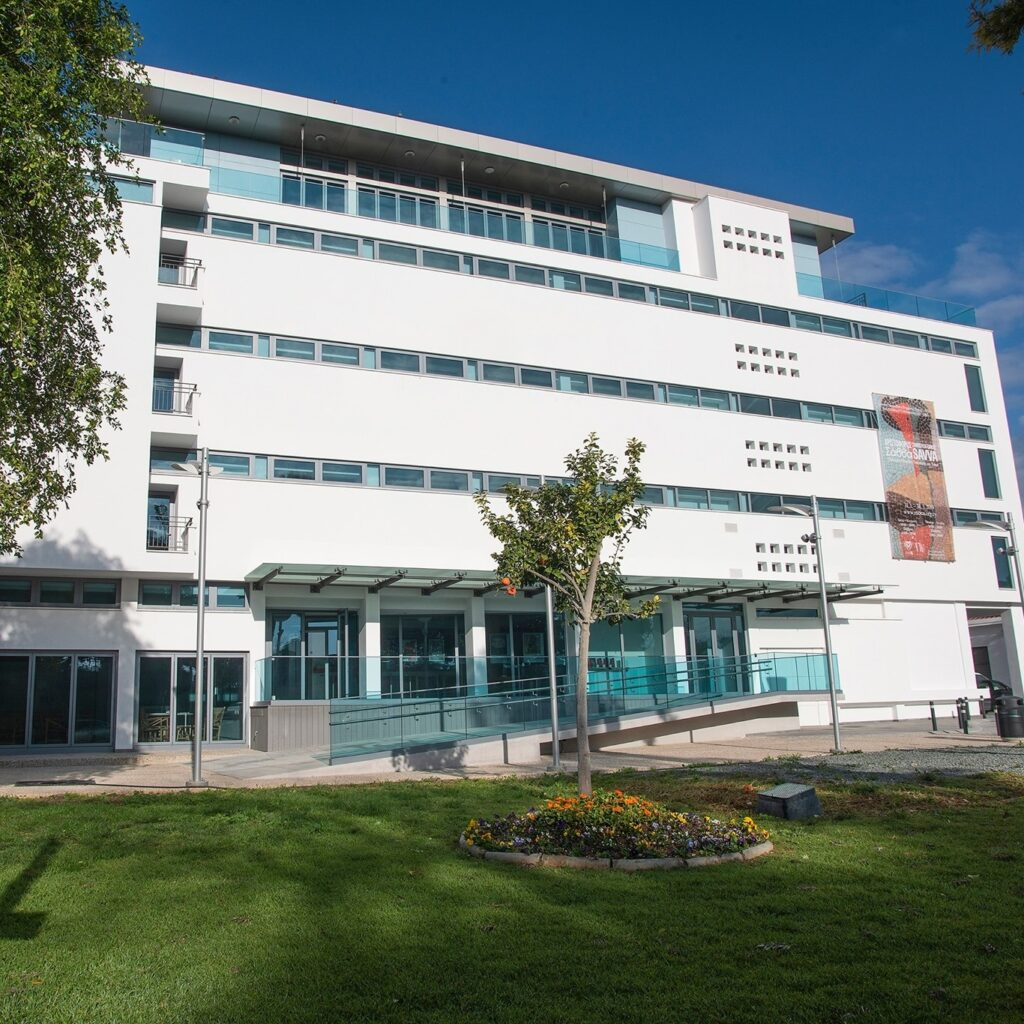
The strategy also calls for unifying existing cultural infrastructure. The new State Fair space would form a coherent museological network with SPEL and the Majestic State Gallery. SPEL would focus on 20th century modern Cypriot art, Majestic would become a centre for temporary exhibitions, whilst the State Fair space would transform into a new museum dedicated to contemporary art and new creative forms. Educational rooms and research spaces would also be developed, making the institution a living cultural laboratory.
The plan includes generating revenue from tickets, sales, publications and partnerships, aiming for partial self-financing. The museum’s progress would be tracked using specific indicators such as visitor numbers, participation in educational programmes, international presence, the ratio of own revenue to state subsidy, and overall social impact, ensuring transparency and accountability.
Read more:

