


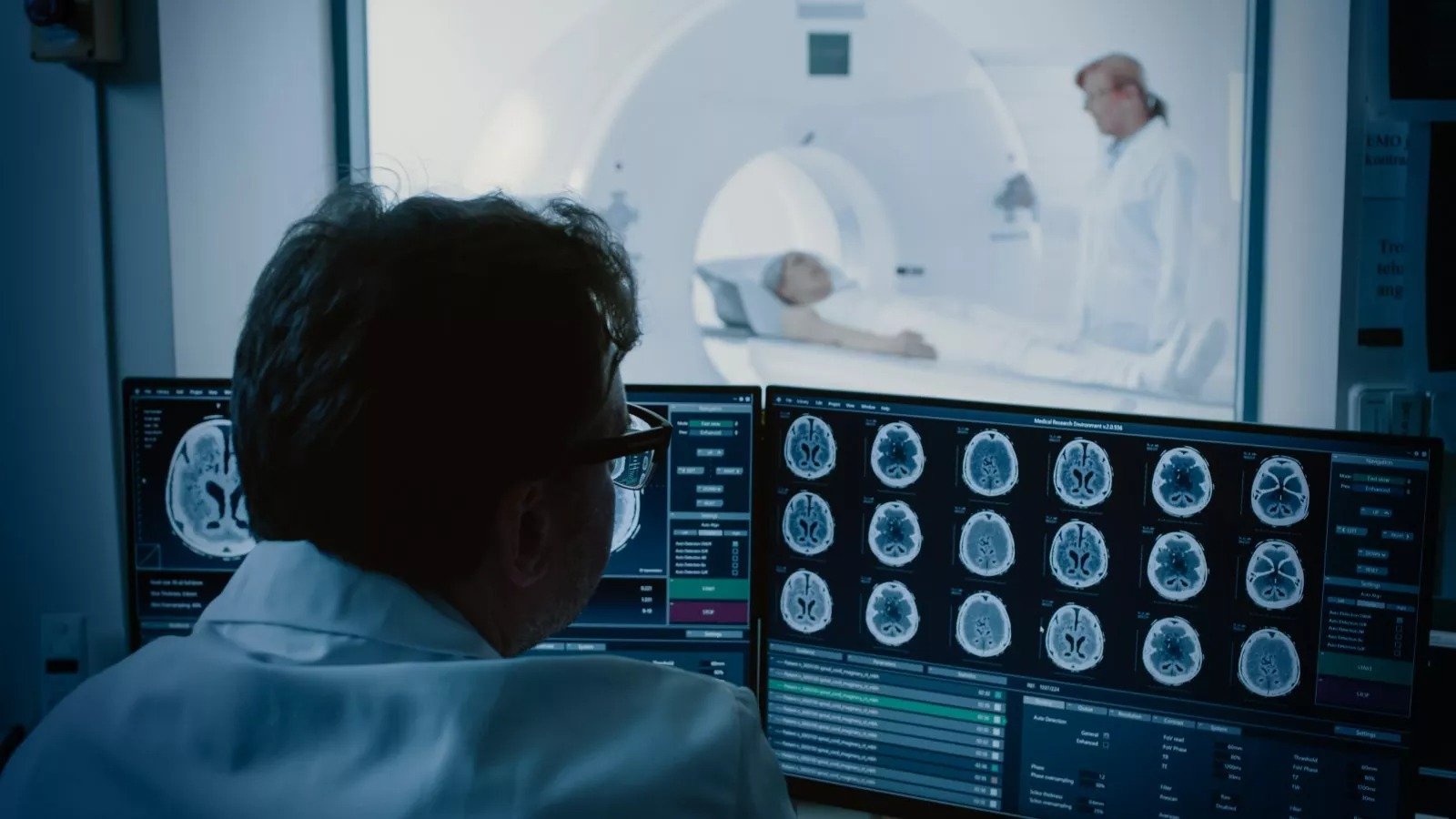
Doctors and radiologic technologists exchanged heated arguments during parliamentary discussions on Thursday over a new bill regulating diagnostic imaging centres in Cyprus.
Radiologists insisted their physical presence during all examinations is essential, while technologists countered they can manage procedures independently and pointed to global trends favouring telemedicine, according to statements made in parliament.
Tensions rose dangerously at times, prompting the parliamentary Health Committee to request written submissions from all stakeholders to inform future discussions on the bill.
The Ministry of Health backed mandatory physical presence of radiologists, including specific provisions in the bill addressing patient safety and service quality concerns.
A ministry representative emphasised radiological examinations constitute medical procedures requiring physician presence, citing European radiation protection standards.
The Cyprus Radiological Society predictably aligned with the ministry’s position, with representatives arguing that the absence of radiologists during procedures is dangerous and contrary to international medical standards.
They specifically noted technologists alone cannot manage complications arising from contrast agents, anaesthetics, or other emergencies during examinations.
Radiologic technologists disagreed with both physicians and ministry officials, also citing European standards but emphasising telemedicine applications.
Representatives stated technologists possess sufficient training to conduct examinations, with physician presence necessary only in specialised cases. Telemedicine, they argued, is an internationally established practice.
Representatives from existing diagnostic centres in Cyprus supported the technologists’ position, stating the physical presence requirement for radiologists is impractical given Cyprus has approximately 200 radiologists who are already fully employed.
They noted there are insufficient doctors to cover all examinations at all centres simultaneously, suggesting teleradiology and remote physician involvement as alternatives.
Stakeholders presented their positions in notably heated exchanges, with EDEK MP Marinos Sizopoulos suggesting “the truth lies somewhere in between,” noting that serious complications such as allergic reactions to contrast agents would require a pathologist rather than a radiologist to manage effectively.
The Federation of Patient Associations of Cyprus (CyFPA/OSAK) emphasised that “patient safety comes first”, urging parliament to ensure “patients are safe during examinations, service quality remains high, and all equipment is continuously properly maintained and upgraded to ensure accurate results”.
The committee also discussed other issues, including proper separation of responsibilities, clear definition of hierarchical responsibilities within centres as outlined in the bill, and institutionalised participation of professional associations in the Advisory Committee responsible for monitoring implementation of the legislation.

