


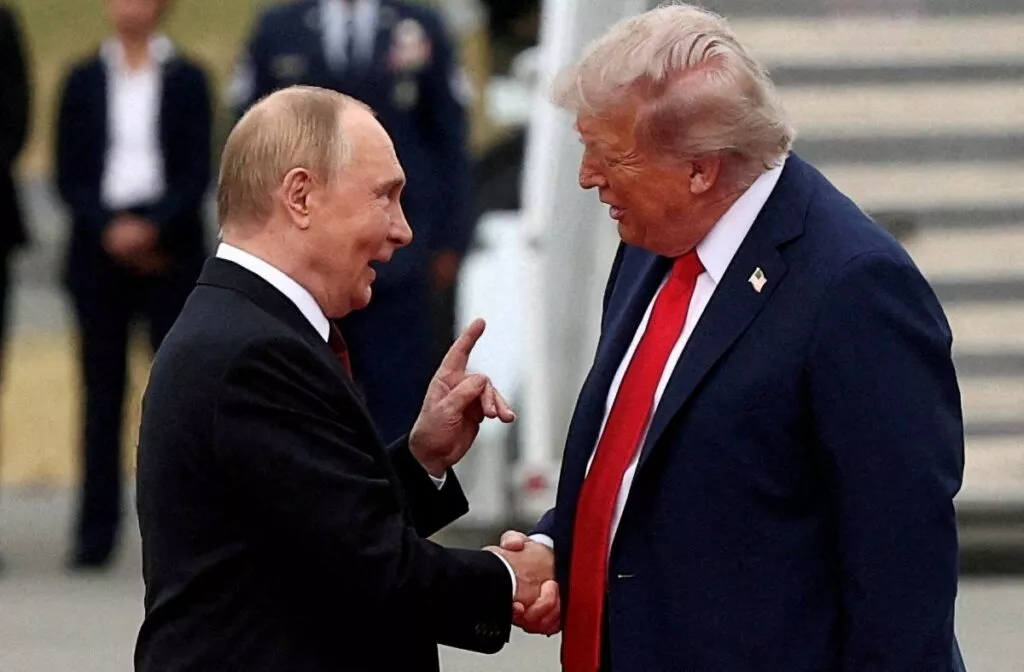
The much-discussed meeting between Donald Trump and Vladimir Putin in Budapest will ultimately not take place. As announced by the White House, following a telephone conversation between the Foreign Ministers Sergei Lavrov and Marco Rubio, “there are no plans for a meeting in the immediate future.”
The announcement came a few hours after the US and Russian Foreign Ministers spoke and announced that they had decided that a meeting between them would not take place. In the phone call, Sergei Lavrov made it clear to his American counterpart that Russian demands regarding Ukraine have not changed.
The White House Announcement The White House, through an official, stated that “Secretary Rubio and Foreign Minister Lavrov had a productive phone call. Therefore, an additional in-person meeting between the Secretary and the Foreign Minister is not necessary, and there are no plans for a meeting between President Trump and President Putin in the immediate future.”
For his part, the Russian Foreign Minister, Sergei Lavrov, stated in a press conference that he informed Marco Rubio that Russia’s position has not changed. And that there will first be a peace agreement and then a ceasefire in Ukraine.
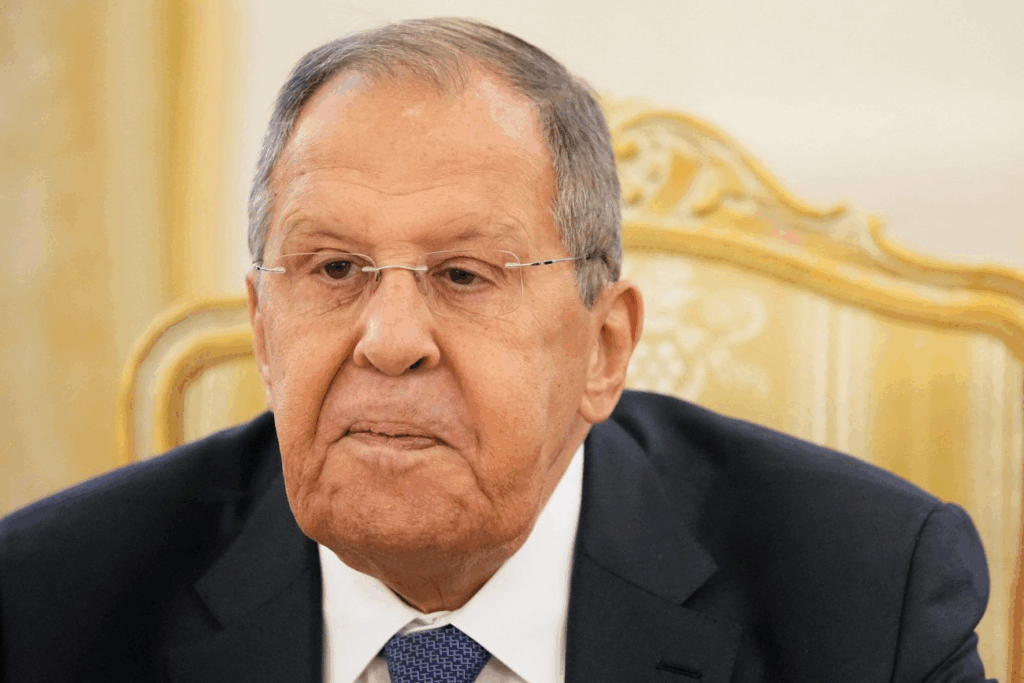
Sergei Lavrov said he was convinced that “American officials have concluded that Russia’s position has largely remained unchanged over time and remains within the limits of its initial demands.”
“Russia has not changed its positions compared to the understandings and prolonged negotiations between Putin and Trump in Alaska,” he added.
What Russia Demands Russia is demanding the elimination of the “root causes” of the war in Ukraine, claiming that its increasing alignment with Europe and its desire to join NATO constitute an existential threat. Russia’s President, Vladimir Putin, has questioned the legitimacy of Ukrainian President Volodymyr Zelensky and has called for new elections in Ukraine, as well as an end to the so-called persecution of Russian speakers. He has also demanded that Ukraine not join NATO. He has also repeatedly argued that Ukraine must be denazified.
“We remain absolutely committed to this formula, and I confirmed it in the conversation with Marco Rubio,” Sergei Lavrov stated. Lavrov also told journalists that Russia rejected the “signals coming from Washington” regarding the desire to end the war along the current battle lines. This is a point that Donald Trump insists on and has called on Kyiv to accept.
“The main thing is not the location or the timing, but how we will proceed on the substance of these issues,” the Russian Foreign Minister said. “The goals we agreed upon and reached a broad understanding on in Anchorage.”
The Trump-Putin Phone Call Donald Trump spoke with Vladimir Putin last week, just days before the American President’s meeting with Volodymyr Zelensky at the White House. At that time, Donald Trump announced the Budapest meeting, as well as a Lavrov-Rubio meeting to prepare for it.
And on Tuesday morning, despite the State Department saying that the Rubio-Lavrov phone call focused on the “next steps” after the American President’s discussion with Vladimir Putin, the messages from Moscow were different. US State Department Spokesperson Tommy Pigott stated: “The Secretary [Marco Rubio] emphasized the importance of the upcoming meetings as an opportunity for Moscow and Washington to work together to advance a sustainable resolution to the Russia-Ukraine war, consistent with President Trump’s vision.”
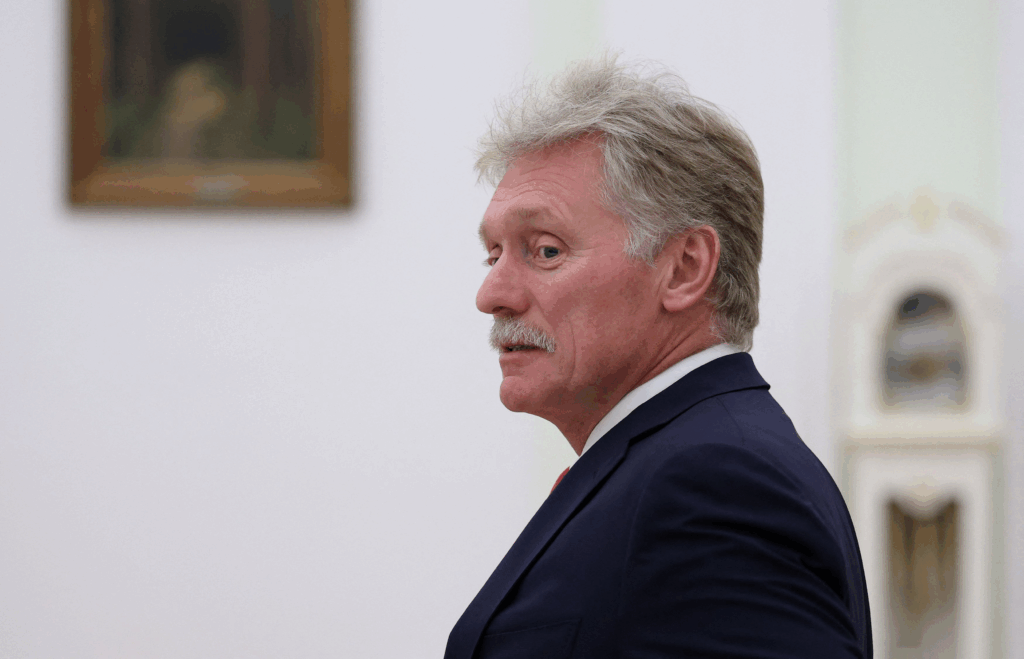
But Dmitry Peskov, the Russian President’s spokesperson, implied that a Putin-Trump meeting might be significantly delayed. “Preparation is required, serious preparation,” he told reporters.
A Difficult Trip to Budapest However, the meeting in Budapest, beyond the diplomatic issues and positions on the Ukrainian conflict, also had some objective problems. Sergei Lavrov allegedly questioned how Putin would arrive by plane in the Hungarian capital. To reach Budapest, he would have to fly over Poland, and Warsaw has threatened to execute the active arrest warrant issued against him by the International Criminal Court.
The choice of Budapest had also displeased many European officials. Hungary’s capital has symbolic significance for the war in Ukraine. It was there that the Russian President had assured he would not attack Ukraine, before eventually proceeding with the invasion. Furthermore, Hungary is an EU member state.
(Information from in.gr)

