


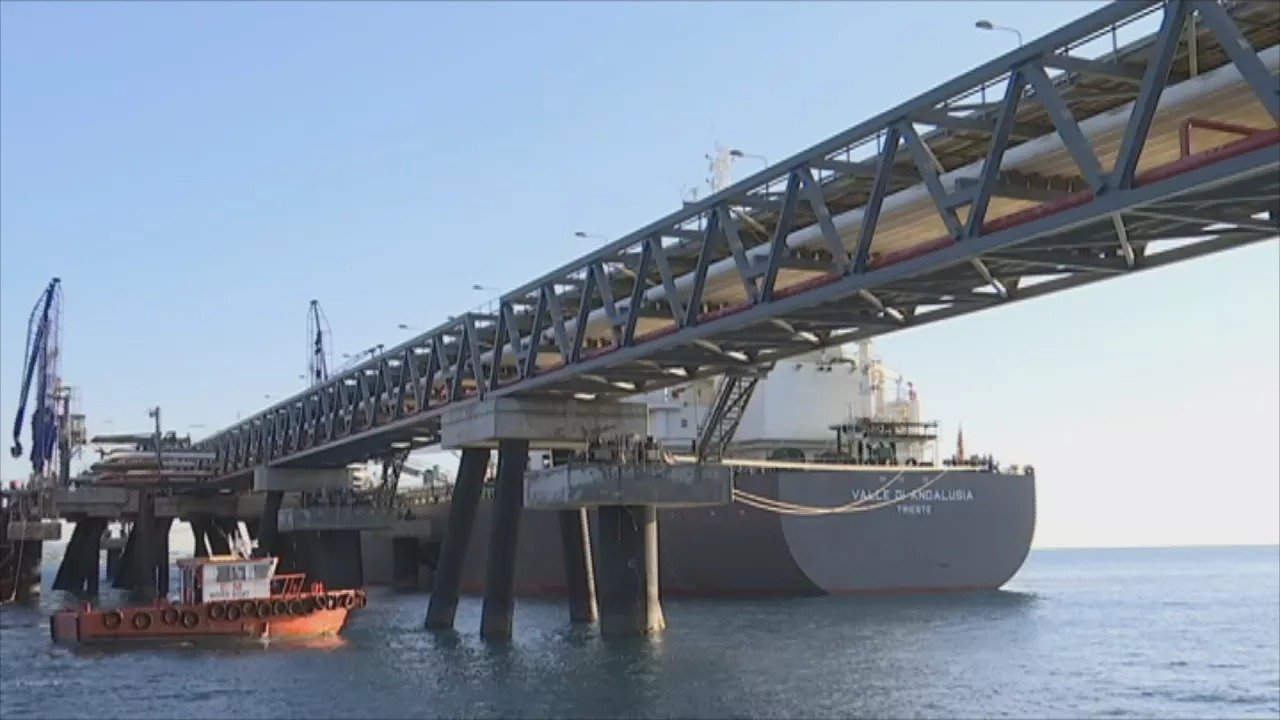
Cyprus must repay 67.2 million euros in European Union funding for its liquefied natural gas terminal project by November 2025, after the EU definitively rejected the government’s appeal against the clawback order.
The European Climate, Infrastructure and Environment Executive Agency (CINEA) informed Cypriot authorities in a stern letter on Tuesday that it rejected the government’s arguments against the original decision to recover approximately 67 million euros of the 75 million already disbursed from a 101 million euro grant approved in 2017 for the Vasilikos terminal.
Phileleftheros sources indicate this development extinguishes Cyprus’s last hopes of avoiding the heavy political, institutional, moral and economic cost stemming from the EU’s insistence on funding recovery.
CINEA rejects Cyprus government appeal
The funding clawback stems from July 2024, when CINEA first demanded Cyprus return the entire amount disbursed for the terminal construction by ETYFA.
The decision followed information provided to CINEA and the European Court of Auditors by then-Auditor General Odysseas Michailides regarding irregularities or illegalities in the tender award process to a consortium led by China’s CPP.
European authorities confirmed through their own assessment the Audit Office’s initial position that the consortium’s score was below the minimum required threshold and should have led to disqualification from the tender.
Audit findings trigger funding clawback
Examination also confirmed that one consortium company lacked the required years of experience, whilst a 25 million euro contract value increase was deemed irregular.
The Anastasiades government and the Central Committee for Changes and Requirements approved this increase, citing economic disruptions from international trade during the pandemic.
The project has cost over 250 million euros to date, with remaining construction work potentially exceeding 100-150 million euros.
CPP abandoned the project in July 2024, cancelling the contract signed with DEFA in 2019 following a political decision by then-President Anastasiades, despite strong objections from the Audit Office and Treasury.

