


A U.S. Federal Appeals Court ruled on Friday that the majority of tariffs imposed by President Donald Trump were illegal, upholding a lower court’s decision.
The verdict concerns tariffs that do not affect specific sectors, such as Trump’s tariffs on steel and aluminum imports. The implementation of the decision has been suspended until October 14, and the case is expected to be taken to the U.S. Supreme Court.
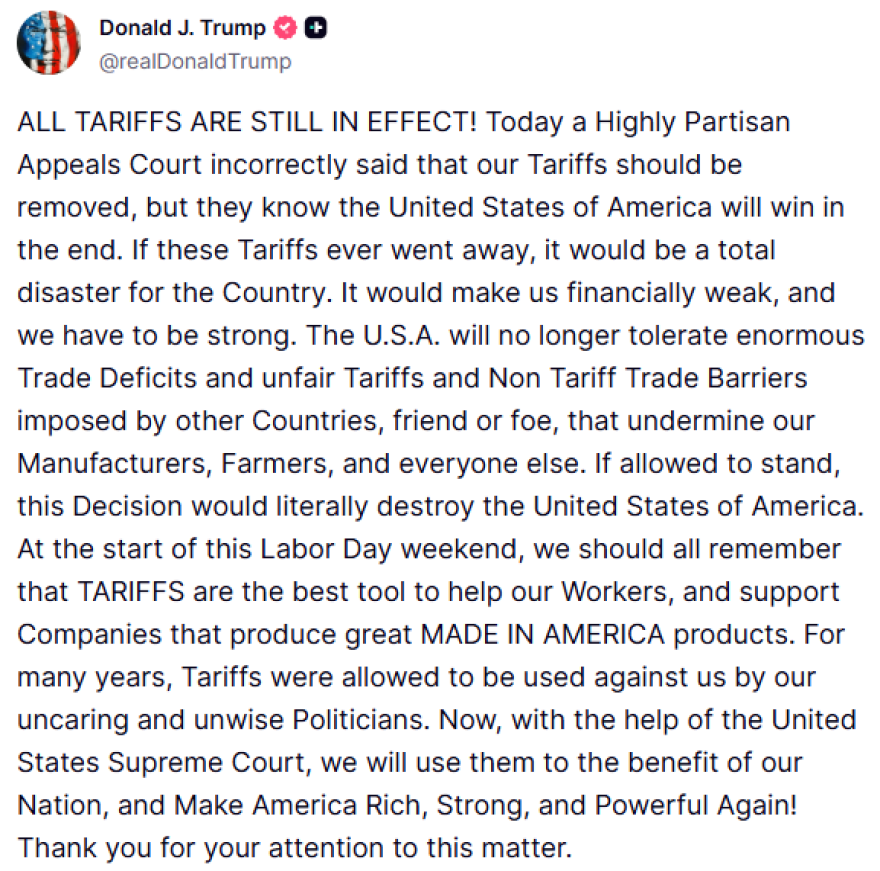
President Trump called the Appeals Court’s decision incorrect, emphasizing that all tariffs remain in effect. “ALL TARIFFS REMAIN IN EFFECT,” Trump underscored in a post on his Truth Social platform. “A highly biased Appeals Court ruled incorrectly that our tariffs should be abolished, but they know that the United States of America will win in the end,” he argued. At the heart of the dispute is whether Trump can invoke a decades-old economic emergency law to impose severe tariffs on the country’s major trading partners. The law does not explicitly mention tariffs, but the president has used this specific law to impose large new levies, with the aim of restructuring U.S. trade relations and raising billions of dollars in revenue.
Trump’s claims of broad trade authority faced immediate legal challenges from small businesses and states, which argued they were economically harmed by taxes on foreign goods that the president did not have the right to impose. In May, the federal trade court agreed, revoking many of the president’s tariffs on the grounds that the law does not grant him “unlimited authority” to wage his global trade war.
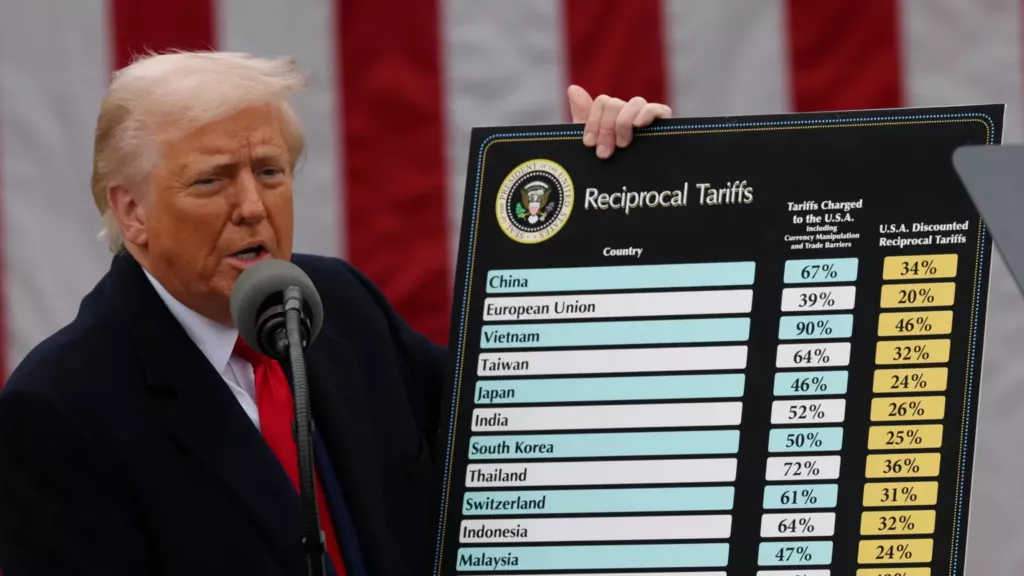
The Trump administration quickly appealed, and the court allowed the president to maintain his tariffs while the judges reviewed the legality of his actions. This paved the way for the White House to expand the use of tariffs this month—with a new round of tariffs targeting more than 90 countries—even before the Appeals Court judges issued their decision.
In his second term in the White House, Trump has made tariffs a pillar of U.S. foreign policy, using them to exert political pressure and renegotiate trade agreements with countries that export goods to the U.S. Tariffs have given the Trump administration advantages to extract economic concessions from U.S. trading partners while causing instability in international markets.

