


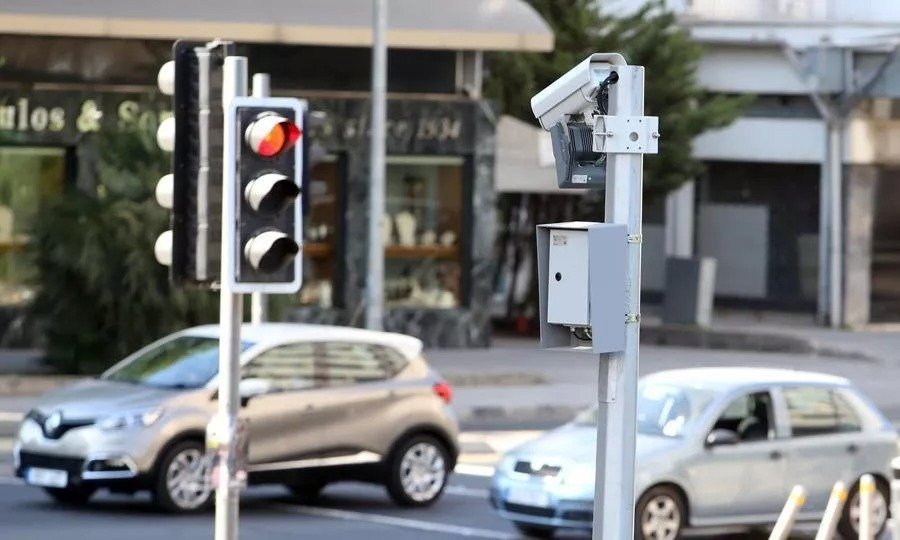
Municipalities in Cyprus are earning millions of euros from traffic fines, turning them into a major source of income.
A large part of the fines given out across the country for traffic violations now goes straight to local councils, as allowed by law.
Figures show that in 2024, around €20 million was collected from fines issued by the police for traffic offences and those caught by speed and red-light cameras. Out of this, €8.5 million went to the central government, while the remaining €11.5 million went to local municipal funds.
A breakdown of these amounts confirms this. The total collected was €19,730,871. For instance, Limassol Municipality received €2,709,275 in 2024, Nicosia Municipality €1,709,037.50, Larnaca Municipality €1,852,647.50, and Paphos Municipality €1,108,794.50. Strovolos, one of Cyprus’s largest municipalities, received €1,073,785.
The way these fines are shared became clearer through recent letters between a mayor of a large Cypriot municipality and a senior police officer. The mayor questioned why his area received only tens of thousands of euros, while a coastal city municipality got over €1.5 million.
In response, the police officer, on behalf of Police Chief Themistos Arnaoutis, explained how the money from fines is distributed. Key points include:
- Speeding and seatbelt fines: All money from fines for speeding and not wearing a seatbelt goes entirely to the government.
- Other traffic offences: Money from other traffic offences committed within a municipality or community’s area should go to that local council.
- Camera fines: 80% of fines from speed and red-light cameras go to municipalities. The remaining 20% is supposed to go to the state, but this part isn’t fully in place yet and is being worked on with the computer system.
Local councils benefit from traffic fines based on a specific regulation. This rule states that if a traffic offence happens within a municipality’s or improvement area’s boundaries, the fine goes to that local council’s treasury.
Specifically, fines from photo-enforcement cameras that benefit local councils include those for:
- Running a red light.
- Using a mobile phone or other object while driving.
- Stopping past the white line at traffic lights.
- Not wearing a protective helmet (for motorcyclists).
As mentioned, fines for speeding and not using a seatbelt go directly to the state.
It’s also worth noting that €6.4 million is spent annually on running the photo-enforcement camera system, a cost covered by the Police budget.
Municipal police to take on new duties
Looking ahead, local authorities are expected to take on more policing duties, which will require dedicated funding. A proposed law is currently being discussed.
In early July, Justice Minister Marios Hartsiotis said this new law came about because both the government and the municipalities wanted it. He explained on state radio that municipal legal advisors helped prepare the bill, which is still being reviewed. He believes there’s already a basic agreement on the idea and purpose of the initiative.
According to the Minister, the new Municipal Police will work within their city or town limits around the clock. Their duties will include dealing with noise pollution, illegal parking, smoking in banned areas, and “touts” in tourist spots. Hartsiotis added that by taking on these tasks, the national Police force will be freed up from minor issues. This will allow the Police to focus on more serious crime and improve public safety overall.
Read more:

