


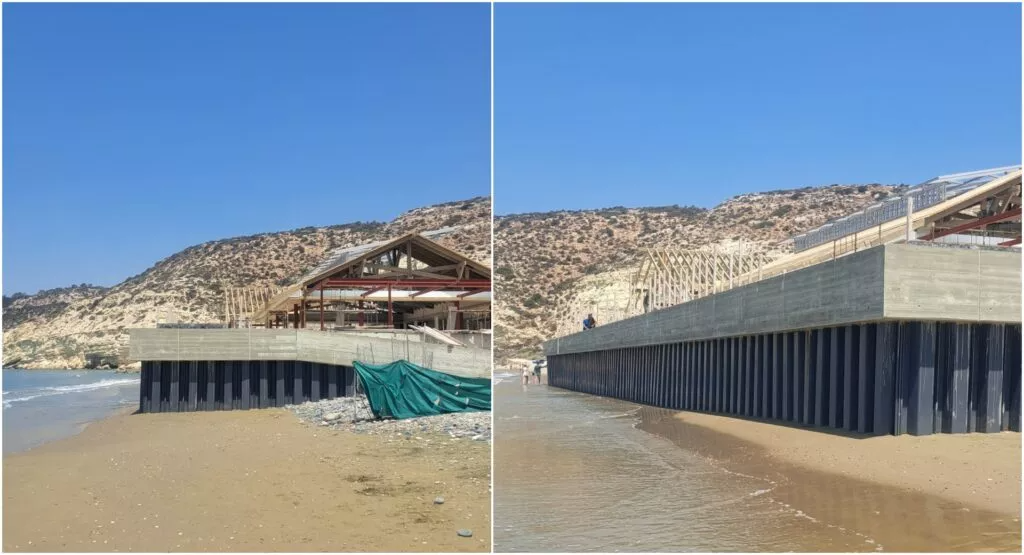
The House Environment Committee has warned of catastrophic coastal erosion reaching up to 27 metres in some areas near Kourion beach within the British Sovereign Base Areas, highlighting jurisdictional complications that prevent effective environmental protection measures.
The committee raised alarm bells over severe environmental degradation along western Limassol’s coastal zone, with human interventions accelerating shoreline retreat and threatening recreational facilities already under pressure from rising sea levels.
Committee chairman Charalambos Theopemptou said erosion had reached 27 metres in certain locations, stressing that human interventions such as removing materials and stones from beaches dramatically accelerate coastline retreat.
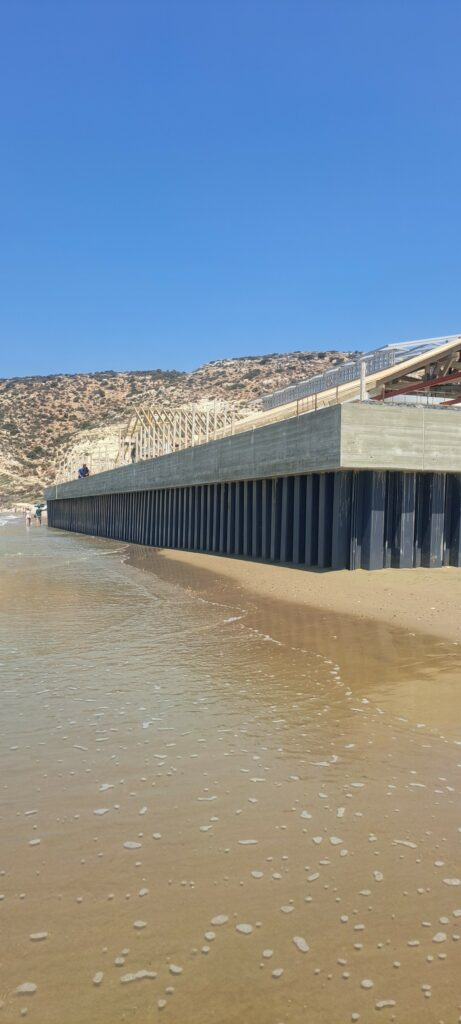
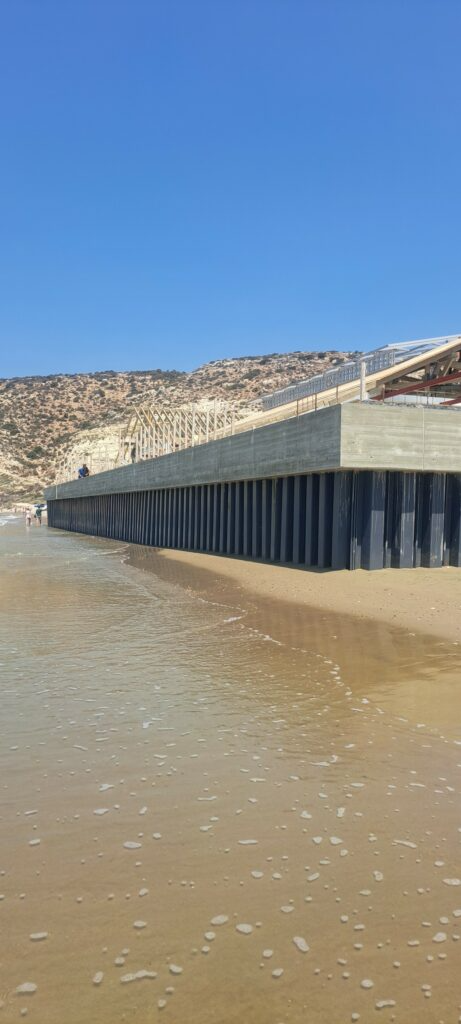
“In several cases, constructions have remained in their original positions with vertical walls against the shoreline, causing more intense erosion from wave impact,” Theopemptou explained.
Jurisdiction complications
The problem is complicated by the jurisdiction regime within the British Bases. Under a 2014 agreement between the Republic of Cyprus and the United Kingdom, final decisions on urban development belong to the Base Commander.
Theopemptou noted the Bases were not represented at the session despite invitations, though written briefing is expected.
The Environment Department’s Neoklis Antoniou said the Environmental Authority had no knowledge that permits were granted for specific projects. The department awaits a coastal engineering study to assess proposed works.
Kostas Aristidou from the Water Development Department said officials are examining whether beach replenishment using sediment from Kouris Dam is possible. However, the Public Works Department expressed concerns about potential asbestos fibres in dam sediment, noting such materials would be prohibitive to use.
Political pressure allegations
Town Planning Department officials reported threats from parliamentary candidates regarding pressures around promoting urban planning policy in the Bases.
The situation at Lady’s Mile beach was characterised as “out of control”, with businesses allegedly operating without regulatory oversight and charging up to €100 for sunbed sets.
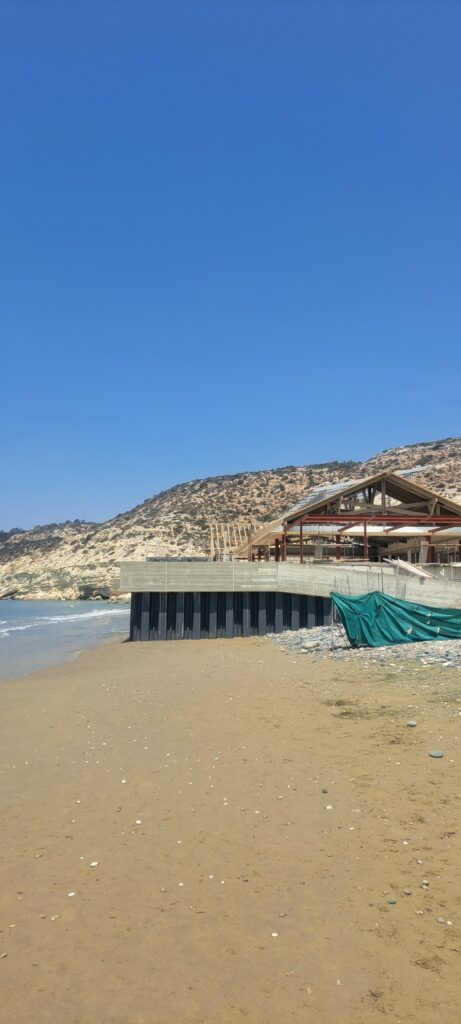
Despite being invited to attend, the British Bases were not represented at the session. Town Planning and Housing Department spokesperson Eirini Chatzisavva said the Bases would send written memoranda to the Environment Committee regarding restaurant construction issues.
Environmental concerns
Environmental organisation representatives condemned practices of removing coarse materials from beaches and unauthorised construction in protected areas. They recommended reinstating natural materials and implementing soft interventions whilst rejecting “hard” solutions such as breakwaters that worsen erosion.
Myroula Hadjichristophorou from the Cyprus Federation of Environmental Organisations said human actions caused erosion in the area, including moving coarse material and pebbles to create sandy beaches. She recommended returning removed sand-gravel volumes to the sea as a first measure.
Klitos Papastylianou from environmental organisation Terra Cypria said recreational centres were built within a bird protection area, within beach protection zones and antiquities protection zones, affecting the coastline and preventing natural sediment transport. He characterised removing pebbles without permits as “the most dangerous practice from a scientific perspective”.
An Environment Commissioner representative noted that building presence on beaches and constructions near waves affect wave action and increase erosion problems. The Ecological Movement’s Efi Xanthou called on authorities to implement provisions of international protocols signed by the Republic of Cyprus.
Political response
AKEL MP Marina Nikolaou characterised sea erosion in the area as “catastrophic”, stressing that without immediate measures, Kourion beach could be permanently lost. She addressed the political dimension: “The British Bases are a colonial remnant and negatively affect the exercise of sovereign rights of the Republic of Cyprus.”
Nikolaou revealed that renovation permits for a specific recreational centre were granted during the pandemic, though final operating permits have not yet been issued, expressing hope they never would be.
Construction safety
Public Works Department’s Giorgos Protopapas said some materials used for apartment building construction in Limassol originated from the old Zapalo underwater quarry, resulting in construction failure phenomena. This factor, combined with disrupted natural sediment flow from Kouris Dam, intensifies erosion in the broader area.
The Environment Committee session clearly revealed the lack of unified strategy for addressing sea erosion, particularly in areas under mixed sovereignty. Allegations of illegalities, inability to control and environmental degradation create a crisis with deep political and social dimensions.
The committee is expected to return to the issue with new discussions, calling on all involved parties – Cypriot authorities, British Bases and environmental organisations – to cooperate in protecting Cyprus’s natural wealth.

