


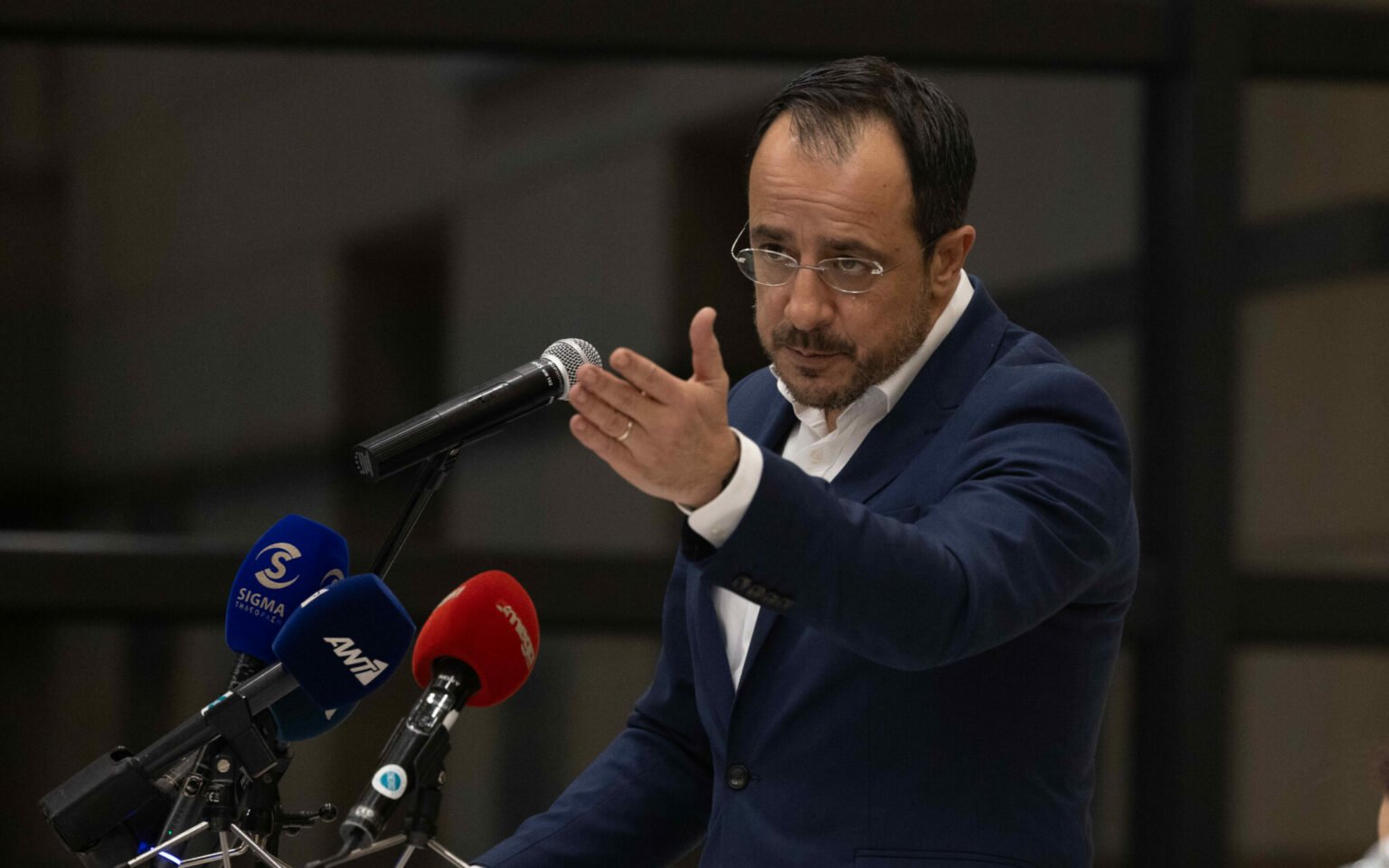
President Christodoulides has sent a firm directive to the Electricity Authority (EAC) and the Energy Regulatory Authority (CERA) not to proceed with electricity price increases at this stage, according to sources cited by Philenews.
He recently reduced VAT on electricity for domestic consumption from 19% to 9%, effective April 1, for at least a year. This move would be effectively nullified by the proposed rate increases.
The EAC had reportedly requested price hikes of approximately 8-9% to cover its 2025 operational costs and investment programne, according to unofficial sources. If CERA rejects this request, it would mark the third consecutive year that the authority has been prevented from recovering expenses previously approved by the regulator.
“This would be the third consecutive year that the EAC has been blocked from recovering costs which had been approved by the regulatory authority,” a source told Phileleftheros. “Rate increases for recovery of approved expenses were not granted in 2023 or 2024, and in 2022 they were approved after a five-month delay.”
Similar presidential intervention occurred last year when the President’s office demanded that the EAC chairman modify the authority’s request for rate increases. Ultimately, no increases were permitted except for recoverable expenses by the independent Cyprus Transmission System Operator (TSOC).
The Presidential Palace and CERA have reportedly shifted responsibility to the EAC, expecting the authority to withdraw or revise its original requests regarding permitted revenue and electricity rates.
EAC Chairman George Petrou and other executives are scheduled to begin consultations next week with management and competent authorities to reassess the situation.
Industry insiders warn that rejecting the EAC’s request could cause significant disruption to the organisation and worsen its financial position, especially as it faces increasing investment costs for its development programme, approved by CERA.
According to its 10-year development plan, the EAC must implement projects worth approximately €1.7 billion by 2032, including €1 billion for network expansion and reinforcement. The authority has recently stated it will fund storage systems in Dhekelia (about €60 million), smart meters, and three central storage systems from its cash reserves.
The organisation is also managing a financial gap created by the completion of the sixth unit at Vassilikos (costing at least €160 million) with EAC funds, while recovery of these costs will be pending until the 160-megawatt unit can operate with natural gas.
Meanwhile, CERA has approved an increase in the fuel clause for April-June compared to January-March 2025, following international fuel price increases.
Given the recent and continuing decrease in Brent crude prices on the international market, conditions are developing for a new modification of the fuel clause by CERA, this time with a reduction.

