


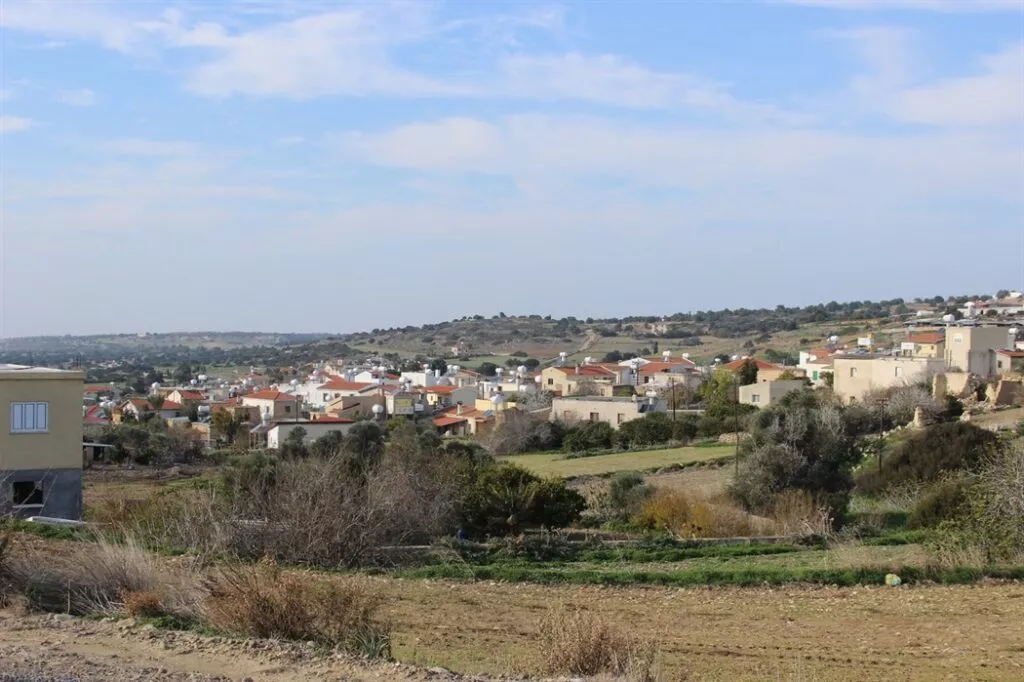
The Maronite community has intensified diplomatic efforts to secure the return of residents to their occupied villages in northern Cyprus, pressing their case through the Cypriot government, Lebanon, and even the Vatican.
Maronite leaders are demanding the right to return to their ancestral villages—Ayia Marina and Asomatos—which have remained under Turkish control since the 1974 division of the island. Key demands include the right of resettlement and the restoration of churches in the occupied north.
Ahead of a rare meeting on April 2 between Cyprus President Nikos Christodoulides and Turkish Cypriot leader Ersin Tatar, a Maronite delegation met with the Cypriot President to present their demands. Christodoulides reportedly raised the issue with the Turkish Cypriot side, though no official response has been issued.
Lebanon, which has close ties with the Maronite community, has also taken a diplomatic role. Lebanese Prime Minister Najib Mikati raised the matter with Turkish President Recep Tayyip Erdoğan during a visit to Ankara in December. Erdoğan reportedly tasked his defence minister with addressing the issue.
Despite these assurances, little progress has been made on the ground. In response, Lebanese Foreign Minister Youssef Raggi summoned Turkey’s ambassador to Beirut, Murat Lütem, earlier this month. Raggi later posted on social media that he had handed the ambassador a formal note outlining the situation of the four Maronite villages in the occupied north and urged Ankara to facilitate their residents’ return.
“I expressed hope that the Turkish government will offer the necessary support to allow these people to return to their homes and work toward a sustainable humanitarian solution,” Raggi said.
The Cypriot government, Lebanon, and the Vatican—including Pope Francis himself—have all backed the Maronites’ calls. However, Ankara and the Turkish Cypriot authorities have yet to take concrete steps, with repeated promises remaining unfulfilled.

