


A coalition of civil liberties organisations has identified Italy as one of five European Union member states actively undermining democratic principles, contributing to what they describe as Europe’s worsening “democratic recession.”
According to a report by the Civil Liberties Union for Europe (Liberties), Italy joins Bulgaria, Croatia, Romania, and Slovakia as nations that “intentionally undermine the rule of law in nearly all aspects.”
The report, compiled by 43 human rights organisations across 21 EU countries documents systematic weaknesses in judicial independence, anti-corruption enforcement, legislative processes, press freedom, and civic participation rights.
“Europe’s democratic recession has deepened in 2024,” Liberties stated, warning that “without decisive action, the EU risks further democratic erosion.”
Italian democratic deterioration
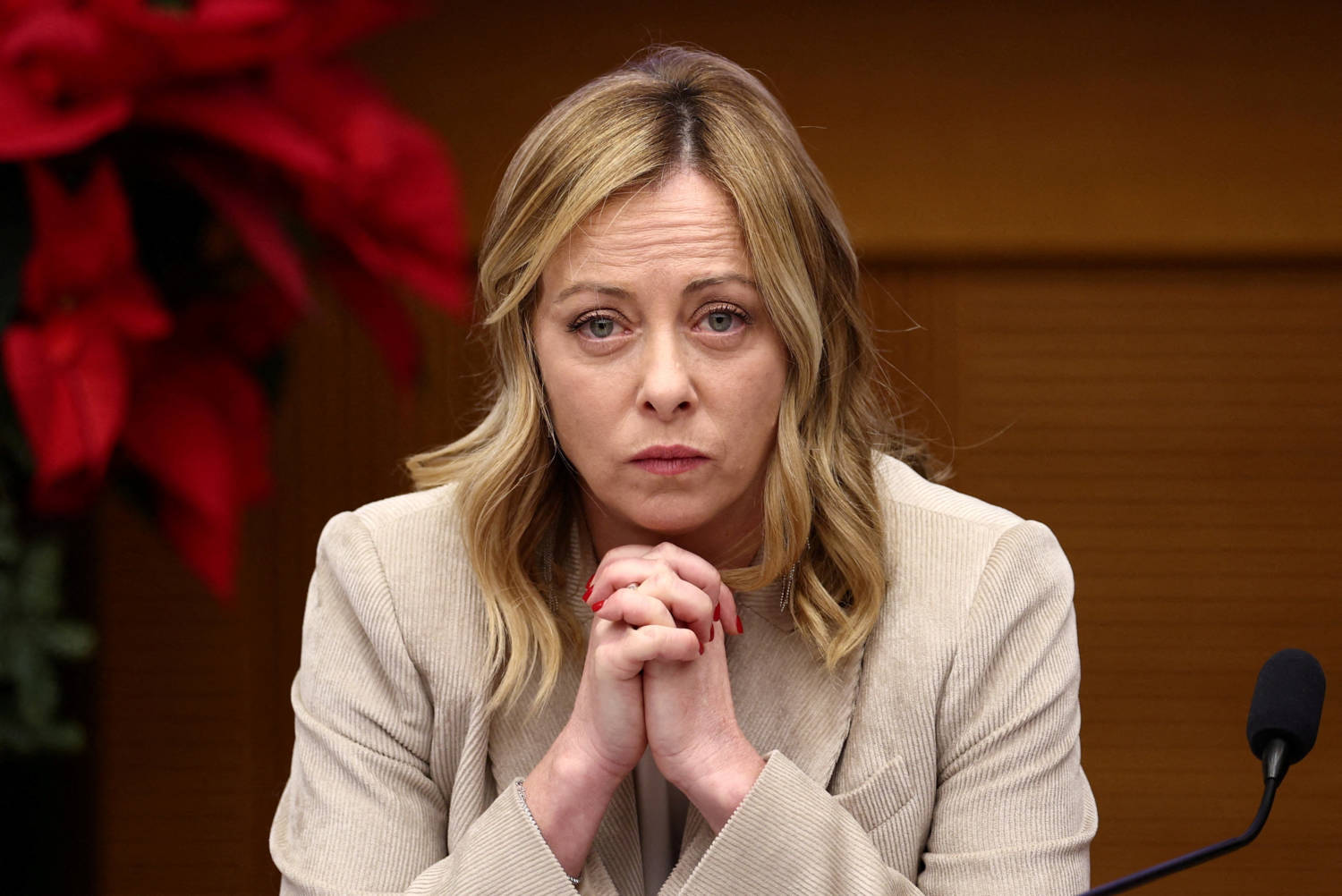
The report identifies numerous concerns regarding democratic governance in Italy, particularly focusing on Prime Minister Giorgia Meloni’s administration. Researchers highlight draft proposals that would grant “open-ended powers” to the justice ministry over prosecutors, potentially increasing political control over the judiciary.
Additionally, the report documents “unprecedented levels of interference in public service media,” citing the cancellation of author Antonio Scurati’s “anti-fascist manifesto” and subsequent disciplinary action against the talkshow host who had planned to feature the speech.
Broader democratic concerns
In Hungary, previously classified as an “electoral autocracy,” researchers observed “significant regression” in rule of law metrics during 2024. The report notes intensified pressure on non-governmental organizations and media following the establishment of Hungary’s sovereignty protection office.
Other concerning developments highlighted in the report include:
- Bulgaria: Anti-corruption investigations targeting political opponents while established corruption schemes continue unaddressed
- Slovakia: Abolition of the central prosecutor’s office and introduction of Russia-style “foreign agents” legislation
- Croatia: Deterioration of judicial independence following the appointment of a state attorney general with close political ties
- Romania: Inadequate media regulation evident during recent elections and stalled public broadcasting reforms
Challenges in model democracies
The report emphasises that established democracies in northwestern Europe also face rule of law challenges. In France, researchers noted increased use of constitutional provisions to bypass parliamentary votes and growing restrictions on freedom of expression implemented before the Olympics.
Germany received praise for strengthening regulations against “revolving door” practices between government and industry, but faced criticism for “excessive and disproportionate” responses to pro-Palestinian events, including censorship and entry denial for certain speakers.
Reform recommendations
Viktor Kazai, senior rule of law expert at Liberties, characterized the EU’s attempts to reverse democratic decline as “disappointingly limited.” The organisation calls for the European Commission to strengthen its monitoring mechanisms by linking them directly to EU funding disbursements and accelerating legal action against rule of law violations.
The report also examines Poland as a cautionary case study, where the coalition government led by Donald Tusk has encountered significant obstacles in restoring judicial independence and media pluralism after years of institutional compromise.
Liberties has produced six annual reports since 2019, paralleling the European Commission’s official rule of law assessment process. These reports collectively document what the organization describes as “the alarming persistence of rule of law violations throughout the European Union.”
Read more:

