


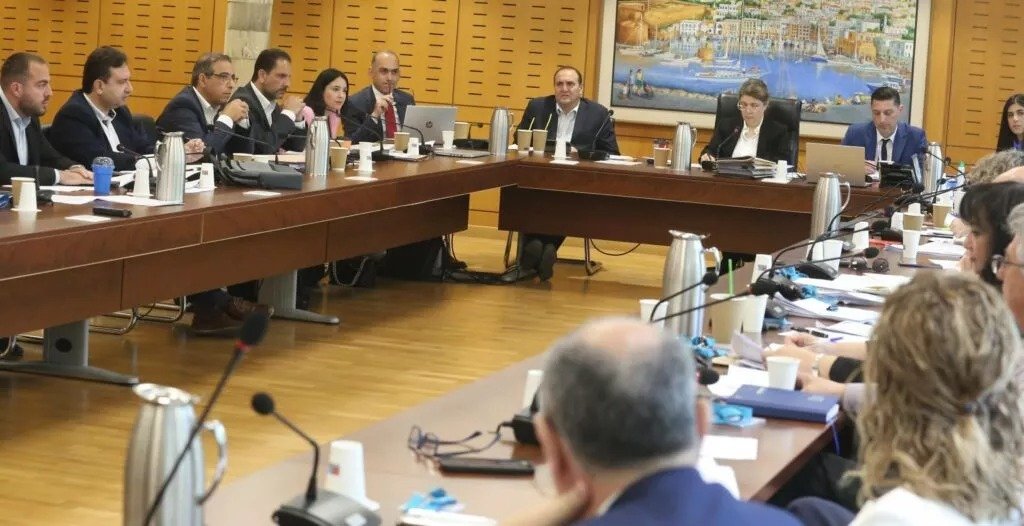
The parliamentary Finance Committee is set to conclude its deliberations on multiple pensions for state officials next Monday, with MPs determined to resolve the issue before Easter.
The resolution will come through party-proposed legislation, as all political parties have rejected government bills that would have replaced multiple pensions with lump-sum payments upon officials leaving office, which included a 15% tax on these gratuities.
The issue has created significant tension between the government and its supporting parties, with the administration expressing frustration over what it describes as populist opposition to its reform efforts.
Finance Minister Makis Keravnos criticised the parties’ reactions, suggesting they were motivated by populism and vested interests.
“What the fox can’t reach, it calls sour grapes,” he remarked, insisting that the government proposals represent the only constitutionally and legally sound approach to address multiple pensions.
Political parties have formed a united front against the government’s position, arguing that the proposed bills fail to resolve the issue for current state officials who receive multiple pensions.
They contend the government’s approach would create a two-tier system of state officials who would receive multiple gratuities instead of multiple pensions.
Although party leaders had initially agreed to consolidate twelve legislative proposals into one, this has proven impractical as the proposals modify various pieces of legislation.
The Finance Committee will therefore specify on Monday which proposals will be presented to the plenary session, with MPs having five weeks before Easter to approve a formula ending multiple pensions.
The solution favoured by the parties is based on a legally protected arrangement implemented for civil servants in 2012. The formula appears to cover both current and future officials.
Specifically, the regulation would stipulate that from a specified date, state officials, both elected and appointed, would receive pension percentages as established under previous legislation, corresponding to their completed term of service.
For example, if a member of parliament has completed four-fifths of their term when the law changes, they would receive four-fifths of their pension at age 60 and the remaining one-fifth at age 65.
MPs believe this proposal satisfies the Supreme Court’s 2012 decision regarding pension expectations while protecting established pension rights for service in the wider public sector or any other position held before the proposed law’s enactment.
Law Office representatives have previously expressed reservations about this arrangement, arguing that established pension rights cannot be withdrawn due to appointment as a state official, and that pension rights established by officials until 2012 cannot be altered.

