


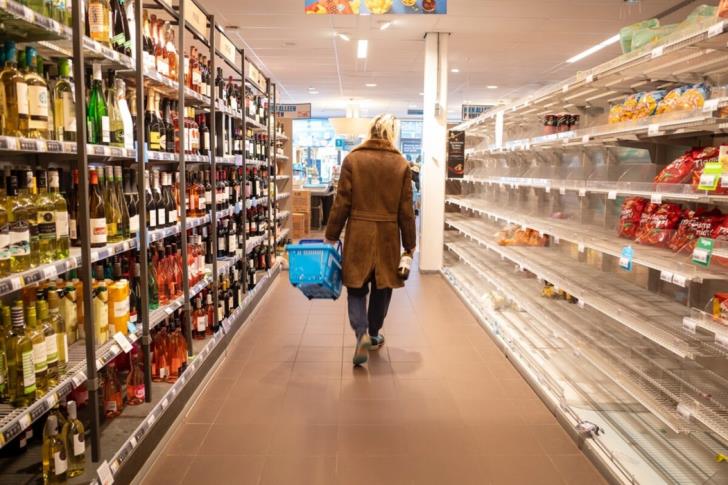
For the umpteenth time in Nikos Christodoulides’ 19-month administration, the Finance Minister and his team are “studying, evaluating, and costing” new social support measures, as the high cost of living – affecting everything! – shows no signs of abating, contrary to what European and Cypriot officials and analysts believed in 2022.
The monthly recurrence – for almost three years now – of pressure from a large segment of society and political parties to extend existing measures and benefits, or to announce new ones, is itself strong evidence that we’re not dealing with a temporary price surge or a brief disruption in supply chains and the free market. This is true both in Cyprus and across the European Union.
We’re facing a widespread increase in living costs that’s pushing thousands of households (millions across Europe) to the brink of survival. We’re also witnessing repeated instances of profiteering by multinational, European, and Cypriot businesses – from raw materials and production to transport and retail.
It’s not just retail products or “basic goods”. Services are affected too, from companies and (largely untaxed) self-employed individuals. All types of services are impacted, even social protection services, as the president of the Fiscal Council has been reporting for weeks.
This isn’t just about increased living costs reducing monthly household surpluses. For thousands of vulnerable, small-medium, and middle-income households, this means permanently reducing consumption and service demand due to lack of funds, income, savings, and access to credit.
Certainly, there are thousands of households that are coping, managing, and thriving. They continue to consume and save. Thankfully.
This prolonged crisis in living costs and declining living standards, even among those we traditionally considered middle class, brings economic and social inequalities back into public discourse. These disparities are becoming increasingly pronounced and visible everywhere, in Cyprus and beyond. And increasingly troubling.
Meanwhile, Mr Keravnos brandishes economic reports from the Commission, European Central Bank, International Monetary Fund, Eurostat, and rating agencies at government critics – all those who have a say in assessing each country’s fiscal and development data. Cyprus is doing splendidly! With such tax revenues, how could the state treasury not be flourishing… Just last Tuesday, the growth forecast for the Cypriot economy in 2024 was revised upward.
So what’s the problem?
Evidently, growth doesn’t equate to prosperity for all. Not even to acceptable living conditions. And it’s not just the legally and politically defined “vulnerable population groups” who lack prosperity. This is now clear to everyone.
What Cypriot society expects from the Government and Parliament isn’t another package of temporary relief measures. And yes, no more 2-3 pleasant-sounding measures that benefit everyone but are only effective and meaningful for a few.
We need new policies that will transfer resources to the segment of society “living in the shadows”. Policies that will reduce state resources going to “everyone” or to those (individuals and legal entities) with stable, significant incomes and recurring profits, and instead direct them – generously and specifically – to households and individuals living on the poverty line or in daily fear of sliding into it.
Under these circumstances, it’s imperative that the Government, Parliament, and social partners sound the alarm and truly expedite both tax reform and pension reform. We don’t have the luxury of carelessly waiting until ’26, ’27, or ’28.
Regardless of what the credit rating agencies might say.

