


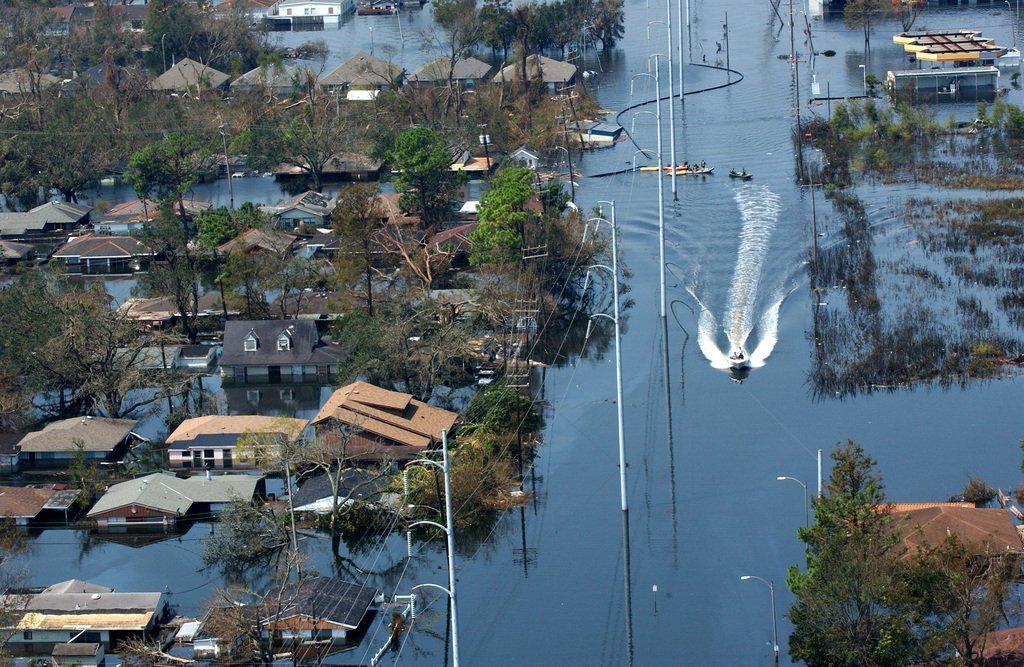
Climate scientists are racing to understand how global warming is changing the behaviour of hurricanes, typhoons and tropical cyclones, as these powerful storms become more destructive and less predictable.
Researchers have identified several key trends in hurricane activity linked to rising ocean temperatures, which are currently breaking all records.
James Kossin, a climate scientist formerly with the US National Oceanic and Atmospheric Administration, told the BBC: “Hurricanes themselves just respond to the environment that they’re sitting in. And so if you make the environment in June look like the environment that would normally be in August or September, then the hurricanes will simply behave as though it’s August or September.”
Studies indicate that hurricane seasons are starting earlier and lasting longer, with storms intensifying more rapidly and reaching higher peak intensities. The movement of hurricanes along their paths is slowing down, potentially leading to increased rainfall and flooding in affected areas.
Scientists have also observed a poleward shift in hurricane tracks, exposing new regions to extreme storm risks. Additionally, protective factors such as wind shear patterns appear to be changing, potentially leaving coastal areas more vulnerable.
Experts warn that sea level rise compounds these risks, with storm surge waves from hurricanes growing larger in recent decades.
Researchers emphasise the need for adaptation strategies, including limiting coastal development and improving early warning systems. Suzana Camargo, professor at Columbia University, suggested: “Policies that lead to huge real estate development in the coastal regions should not continue.”
Read more:

