


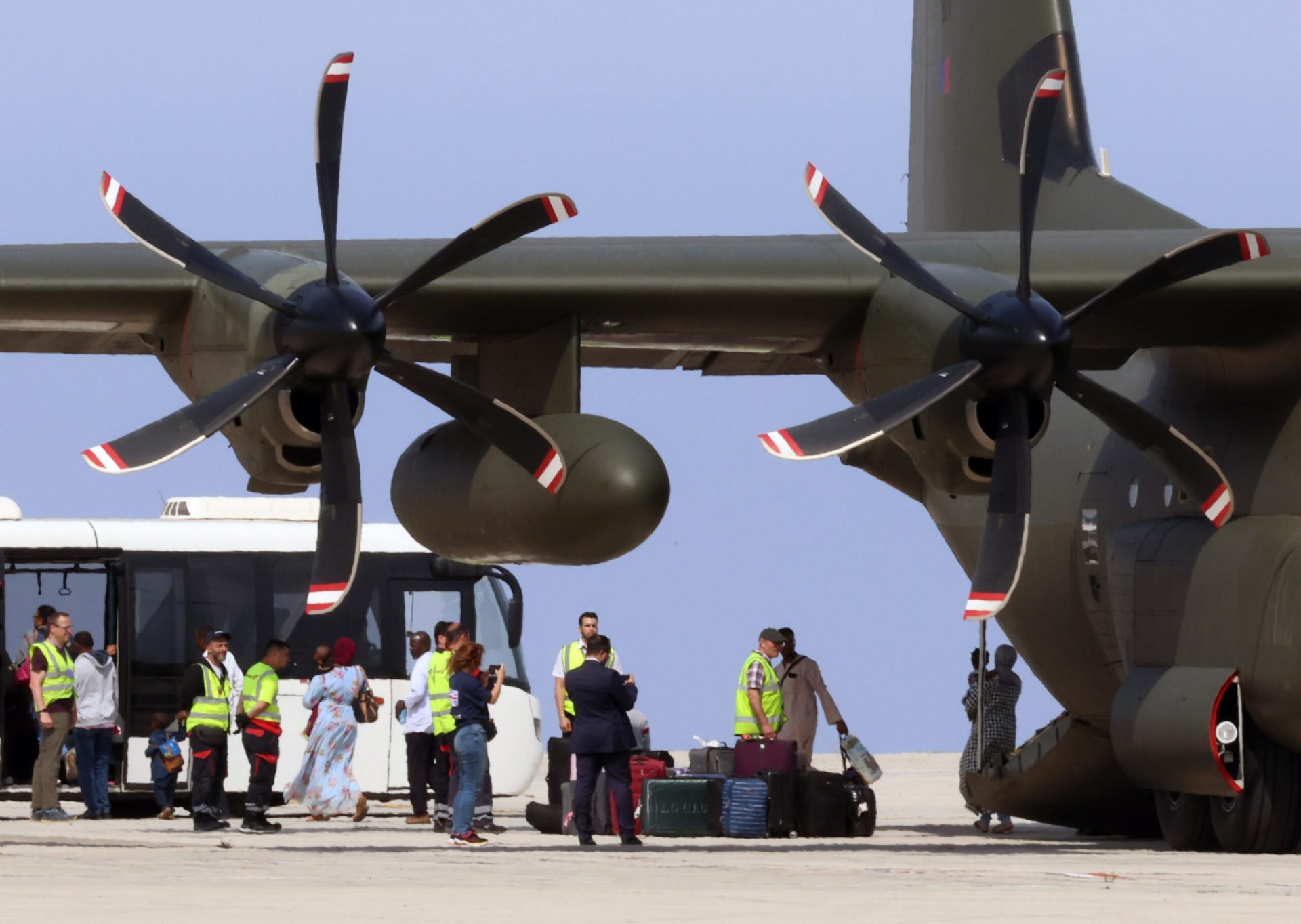
Cyprus is gearing up to potentially evacuate up to 100,000 individuals from Lebanon under the “Estia” plan, as the escalating conflict in the region threatens to impact thousands. U.S. authorities have informed the Cypriot government of the estimated number of citizens who may need to be transported through Cyprus if violence intensifies.
Cyprus is on high alert to manage the expected influx, though there is concern about accommodating and processing such a large number of people. Those arriving will stay temporarily in Cyprus for a maximum of 48 hours before being transferred to their final destinations. These individuals include citizens from Canada, the U.S., France, Germany, and the UK, as well as others who may seek to flee the conflict.
Challenges include:
- Dual Citizenship Complications: Many of those needing evacuation hold dual citizenship due to family ties, but they live in Lebanon and may be reluctant to leave. The onset of conflict is likely to prompt mass evacuation requests, increasing the logistical challenge.
- Airspace Closure: If hostilities escalate, airspace in the region may be closed, making air transport impossible. Alternatives such as sea and helicopter transport will be necessary. Foreign vessels are already positioned in the area to facilitate evacuation.
- Regional Airspace Impact: In a widespread crisis, regional airspace closures may affect flights en route to the area. Past experiences, such as the diversion of flights in April, highlight the need for contingency plans to accommodate stranded passengers in Cyprus.
- Accommodation Concerns: The large number of evacuees raises concerns about accommodation. Available facilities include the Larnaca Military Camp and other venues. Past conflicts, like the 2006 Lebanon war, saw around 60,000 people evacuated; current projections may double this number. Some evacuees might be redirected to neighboring countries like Jordan to manage the flow more effectively.
Cyprus is mobilizing all available resources and preparing for rapid deployment to handle the anticipated humanitarian needs.
In addition to organized evacuations of citizens from various countries, Cyprus anticipates an influx of Lebanese individuals arriving on private yachts seeking refuge at Larnaca port. There is also a concern about Lebanese nationals who previously obtained Cypriot citizenship and may now seek asylum in Cyprus. Historical precedents, such as the influx of Lebanese in the 1980s and during the 2006 conflict, suggest that many will return to Lebanon once stability is restored.
Additionally, there are fears that the intensification of conflict could lead to a new wave of irregular migration from Syria. Mass departures of boats from Lebanese shores towards Cyprus are anticipated, though the heavy maritime presence in the area may hinder these movements. This is a pressing issue for Cypriot authorities.
Government sources confirm that Cyprus is preparing to effectively contribute to the regional response through the implementation of the “Estia” plan, ensuring the country plays a significant role in managing the crisis

