


Last Friday, at a seminar titled ‘Cyprus and the European Cancer Combat Plan,’ the President of the Republic presented an almost idyllic image of what the State is doing for cancer patients and cancer prevention.
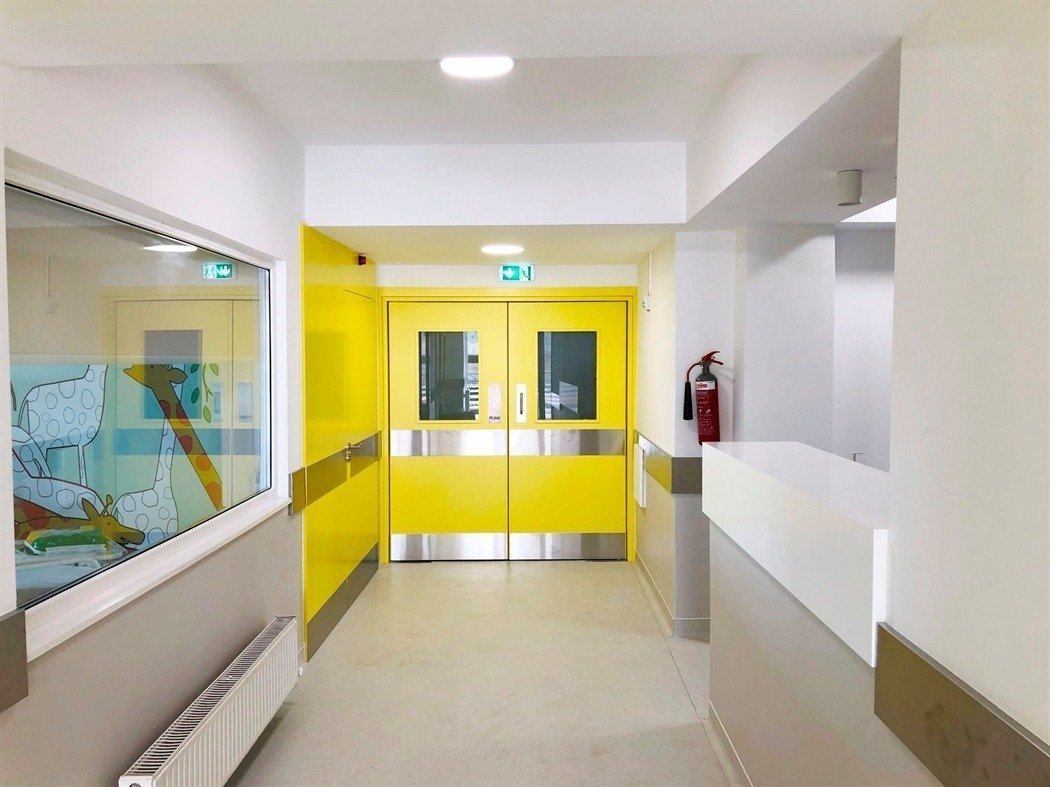
Yesterday, our colleague Marilena Panayi conveyed a different image from the hospital in Limassol. ‘Leukemia patients are waiting in line for their turn to undergo chemotherapy.’ The situation was acknowledged by the Executive Director of the Limassol-Paphos region of the Cyprus Oncology Center, Christos Nicolaou, who stated that they are trying to find solutions.
In such cases, it is not only the health risks that patients face but also their physical and emotional distress. Both the patients themselves and their families are already experiencing a tremendous burden.
The situation is far from what the President described. He, along with all those who spoke at the seminar (including the European Union Health Commissioner Stella Kyriakides), cited data indicating that one in two of us will be diagnosed with cancer at some point in our lives. In Cyprus, since 1998 when records have been kept, the rate has been steadily increasing. In Europe as a whole, by 2035, if appropriate measures are not taken, cancer will become the leading cause of death.
The measures involve not only prevention but also providing treatments under suitable conditions. Both the Minister of Health and the President may read data provided by their officials on topics regarding lectures on nutrition and smoking, the preventive examinations that should be carried out, and so on. However, the reality is that one in two of us will get cancer and will need treatment and all kinds of support. A patient may live in a remote village and someone needs to transport them to an oncology center. Who does that? Partially volunteer organizations (PASYKAF and the Cyprus Anti-Cancer Society). Others are forced to rent accommodation in Nicosia or Limassol (if they can afford it) so they can undergo treatment, for which they may need daily visits. State hospitals do not have radiotherapy centers, and as for PET scans, all cases end up at the German Oncology Center in Limassol. The existing oncology centers may do very good work, but with an increasing number of cases, they have exceeded their capabilities. As for palliative care, there’s a waiting list there too (personally, I received a call one and a half months after submitting a request and one month after my mother passed away, to tell me that there was an available bed).

